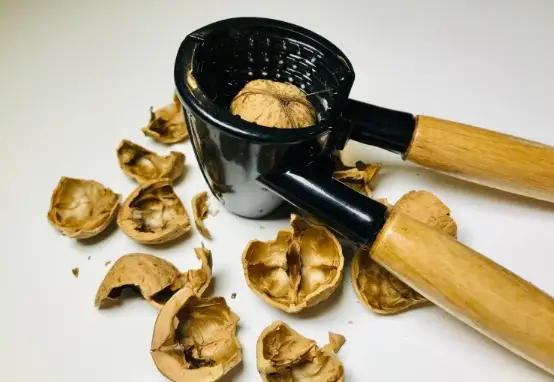
Using walnut shells in pots can serve multiple purposes, but it’s important to understand how to apply them effectively:
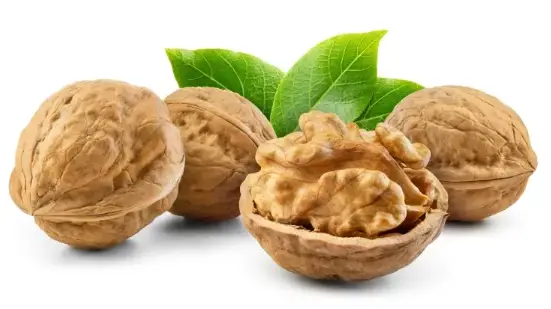
Are walnut shells safe?
- Walnut shells contain nutrients such as calcium, iron, zinc, and magnesium, making them beneficial for both humans and plants. They also contain amino acids that participate in metabolic processes and support the immune system.
Why put walnut shells in pots?

- Pest deterrent: Placing broken walnut shells around the stem of plants in pots can act as a deterrent against rodent pests like mice and squirrels. However, ensure that the shells are empty to avoid attracting animals.
- Improving drainage: Walnut shells can be used at the bottom of pots to enhance drainage, especially if perlite is not available. This ensures that excess water can drain effectively, preventing waterlogging and root rot.
Are walnut shells compostable?
- While walnut shells are biodegradable, their hard nature means they do not decompose readily in soil. Therefore, scattering them on garden soil or placing them directly on the soil in pots is not recommended. Instead, grind the shells into smaller pieces to add to compost or mulch.

Other uses of walnut shells:
- Ash fertilizer: Burning walnut shells and collecting the ashes can provide a source of fertilizer similar to wood ash. However, not all plants may tolerate this, so use it cautiously.
- Liquid fertilizer: Boiling broken walnut shells in water can create a nutrient-rich liquid fertilizer. Use this solution once a month for houseplants, adjusting the amount based on pot size. This can provide plants with small amounts of iodine, contributing to their overall health and stress resistance.
In summary, walnut shells can be beneficial in pots for deterring pests, improving drainage, and providing nutrients to plants when used appropriately. However, ensure that the shells are free of kernels to avoid attracting animals, and consider grinding them for compost or mulch applications. Additionally, use caution when using walnut shell ash fertilizer and liquid fertilizer to avoid overapplication.
Show Comments


