

As locusts invade your garden, you may wonder what attracts these pests and whether they can harm your crops. Understanding these factors and knowing how to manage them can help protect your garden from potential damage.
What Attracts Locusts to Your Garden?
Locusts are drawn to gardens for several reasons:
- Food Sources: Locusts are omnivores and are attracted to various food sources, including plants and insects. If your garden provides ample food, it may attract these pests.
- Shelter: They seek refuge from predators in piles of leaves, wood, debris, or tall, unkempt grass. These environments offer perfect hiding spots.
- Moisture: Damp soil is particularly appealing to locusts. They are naturally drawn to moist conditions in your garden.
- Light and Warmth: Spring’s light and warmth can attract locusts as they search for mates.
What Damage Do Locusts Cause?
While locusts are not dangerous to humans or pets, they can cause significant damage to your garden, especially in large numbers. They feed on a variety of plants, including vegetables and ornamental species, and can destroy your harvest by nibbling on leaves and roots. Additionally, locusts may dig tunnels, disturbing the soil and affecting plant health.
How to Get Rid of Locusts in the Garden
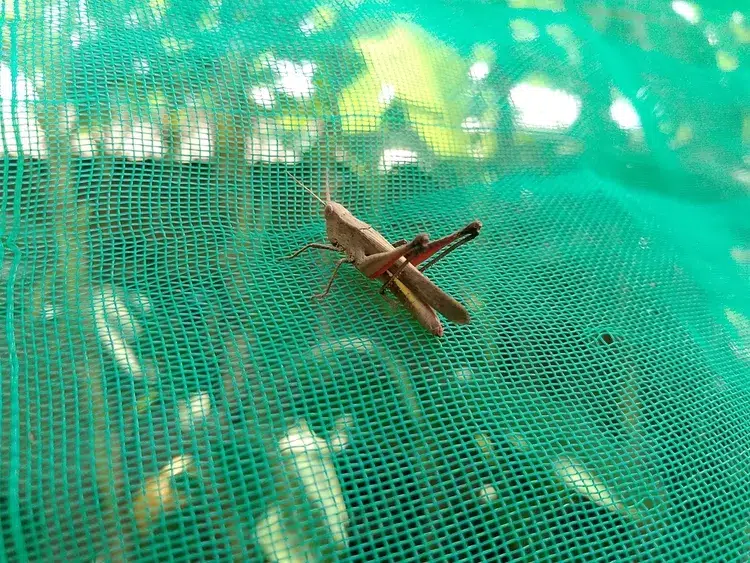
If locusts have invaded your garden, consider these effective, natural methods to manage them:
- Molasses Traps: Create simple traps by placing a small amount of molasses in glass jars around your garden. The sweet, sticky substance will attract locusts, which will become trapped. However, be cautious as this method may also attract other insects.
- Diatomaceous Earth: This natural powder is effective against locusts. Sprinkle it around areas frequented by the pests. Diatomaceous earth works by dehydrating locusts through contact with their exoskeletons. Ensure you use high-quality diatomaceous earth for best results.
- Essential Oils: Locusts are repelled by strong smells. Essential oils like peppermint, clove, lemongrass, lavender, and rosemary can be effective. Soak cotton balls in your chosen oil and place them around the garden. Refresh them regularly to maintain their potency.
- Lawn Care: Regular maintenance of your lawn can reduce locust hiding spots. Mow your grass frequently, remove debris, and keep the area tidy to make your garden less inviting.
- Limit Food and Water Sources: Since locusts are attracted to food and moisture, limit their access by using diatomaceous earth around vegetable patches and installing insect netting to protect crops.
By understanding what draws locusts to your garden and employing these strategies, you can effectively manage and reduce their impact, ensuring the health and productivity of your crops.


