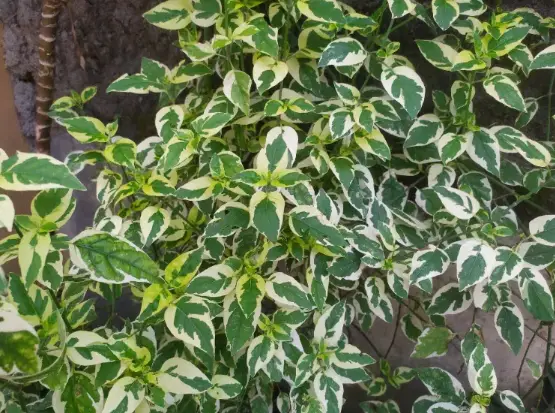
Bay laurel is a fantastic addition to any garden! Whether grown as a stand-alone tree or a hedge, its beautiful leaves remain green and shiny year-round. However, it’s not just humans who appreciate this lovely plant—some pests are quite fond of it too! Want to know which insects eat bay leaves and how to eliminate them?

What Insects Eat Bay Leaves?
Bay laurel is known for its regal appearance, but it can fall victim to several pests. Here are three common culprits:
1. Aphids

Are you wondering if aphids are among the insects that eat bay leaves? These small pests suck the sap from the leaves, and if they multiply, they can hinder the plant’s growth and even lead to its decline.
Signs of an Aphid Attack:
- Clear, sticky substance on the leaves
- Curved, curled, or discolored leaves
- Deformed flowers and fruits
- Presence of other pests that feed on aphids
How to Treat Aphids:
- Prevention: Plant repelling plants like daisies around your bay laurel.
- If Infested: Wash the leaves with a mixture of liquid soap or horticultural soap and water. Neem oil and black soap are also effective treatments.
2. Thrips

Thrips are tiny pests that also feed on plant sap and usually target stressed plants that lack nutrients and moisture.
Signs of a Thrips Attack:
- Silvery appearance and discoloration on the leaves
- Falling leaves
How to Treat Thrips:
- Prevention: Ensure your plants are well-watered and nourished with fresh compost.
- If Present: Use horticultural oil or neem oil to treat them. Regularly inspect the foliage during pest season to catch infestations early.
3. Cochineals

Mealybugs (or cochineals) are among the most common pests attacking bay laurel. They can be difficult to spot, often mistaken for bacterial diseases in the early stages of an infestation.
Signs of a Cochineal Infestation:
- Honeydew on the leaves
- Sooty mold on the foliage
- Leaves that dry up, turn yellow, and fall off
How to Treat Cochineals:
- If you notice these pests, immediately cut and discard the affected parts of the plant.
- Wash the plant with a solution of liquid soap and water, using a brush to remove any remaining insects. If the infestation persists, consider using a chemical insecticide as a last resort.
By identifying and addressing these pests promptly, you can keep your bay laurel thriving and beautiful!