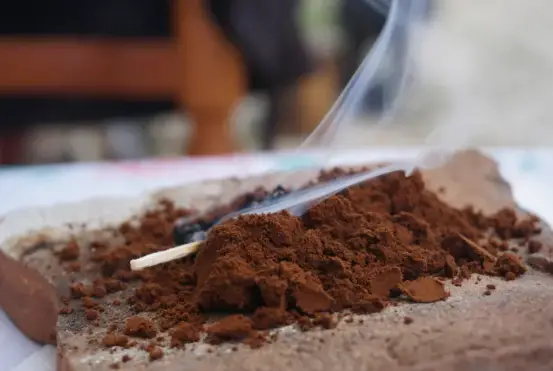
Coffee grounds are not only a valuable residual product but also have surprising repellent properties. They can be used to deter a wide range of insects and pests that are commonly unwelcome in gardens or homes. Here’s what you need to know about which insects coffee grounds repel and how to use them effectively!

What Insect Doesn’t Like Coffee Grounds?
Coffee grounds contain compounds such as caffeine and acidity that are toxic to many pests. While the caffeine content is lower than in fresh coffee grounds, it still has an impact on insects. The rich aroma of coffee grounds acts as a deterrent by masking the pheromones pests use to communicate, thus repelling them. Here’s a list of insects that coffee grounds dislike:
- Aphids – These tiny pests, notorious for attacking garden plants, hate coffee grounds! Sprinkling coffee grounds around affected plants acts as a natural aphid repellent.
- Mosquitoes – By burning coffee grounds, you can release a smoke that repels mosquitoes, along with fruit flies and beetles.
- Ants – Coffee grounds can be used as a barrier against ants when mixed with lemon juice. The paste can be spread around entry points like doors and windows.
- Slugs and Snails – Coffee grounds create an effective barrier that slugs and snails avoid. For this method, ensure the grounds are fresh and dry.
- Fleas – After bathing your pet, you can rub a small amount of coffee grounds into their coat, then rinse it off. This method helps repel fleas naturally.

Using Coffee Grounds as a Repellent
- Sprinkle Around Plants: The easiest way to use coffee grounds as a repellent is by sprinkling them around the base of your plants. However, be cautious as coffee grounds lower the pH of the soil. Tomatoes, roses, and cucumbers thrive with coffee grounds, but certain plants like azaleas and hydrangeas might not tolerate them.
- Burn the Grounds: To repel mosquitoes, fruit flies, and beetles, you can burn coffee grounds to release a smoky aroma that pests dislike. Simply set them alight and let the smoke fill the air.
- Create a Barrier for Slugs and Snails: Spread dry coffee grounds around the perimeter of your garden plants to form a protective barrier. Ensure the grounds are fresh and dry to prevent mold growth.
- Repel Ants: Mix coffee grounds with lemon juice to create a paste. Draw lines of the paste around doors, windows, and other entry points to stop ants from invading your home.
Are Coffee Grounds Effective Against Aphids?
Yes, coffee grounds are effective at repelling aphids. By sprinkling them around the base of infested plants, or even making a spray with ground coffee mixed with water, you can create a natural aphid repellent. This method is both eco-friendly and effective in keeping your plants safe.
How to Prevent Ants from Entering the House
To keep ants from invading your home, create a coffee ground barrier. Mix coffee grounds with lemon juice and apply it to entry points like doors and windows. The ants will steer clear of the paste, keeping your home ant-free.
Coffee Grounds Against Slugs and Snails in the Garden
Slugs and snails love to munch on garden plants, but they don’t like coffee grounds! Create a protective barrier around your plants by sprinkling fresh, dry coffee grounds around the base. Ensure the grounds remain dry to maintain their effectiveness as a repellent.
How to Get Rid of Fleas on Pets
Coffee grounds also work as a natural repellent for fleas. After shampooing your pet, rub a small amount of coffee grounds into their coat, rinse it off, and dry your pet as usual. This will help keep fleas at bay.
Important Note
While coffee grounds are a great insect repellent, they repel cats too. Coffee is toxic to felines, so make sure they don’t ingest it.
With coffee grounds, you have a natural, eco-friendly solution to repel a variety of pests, from aphids to fleas, and even slugs and mosquitoes. Whether in your garden or at home, coffee grounds can help keep these pesky insects at bay!


