
Ever lifted a rock and found a hidden world of creepy crawlies? Many insects and crustaceans seek shelter under stones to escape the sun, retain moisture, and find food. In this guide, we’ll explore the most common insects and arthropods that live in these damp, shadowy environments.
🦗 What Insects Live Under Stones?

Rocks provide a stable microclimate—cool in the summer, warm in the winter—which attracts many species of invertebrates. The gaps and crevices between stones also offer the perfect hiding spots for small creatures to evade predators and harsh weather.
Common inhabitants include:
✅ Woodlice – Tiny crustaceans that feed on decaying organic matter.
✅ Red ants – Social insects that create large underground colonies.
✅ Centipedes & millipedes – Arthropods that aid in decomposition.
✅ Spiders, beetles, and silverfish – Nocturnal hunters and scavengers.
Now, let’s take a closer look at these fascinating creatures!
🐞 The Woodlouse – Nature’s Decomposer
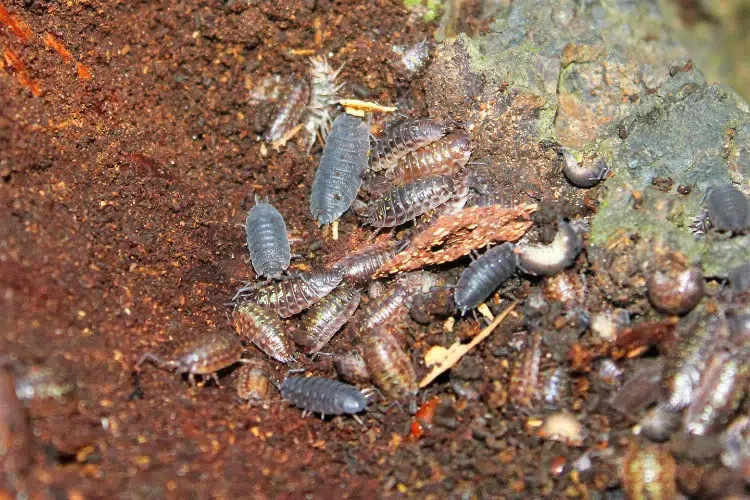
The woodlouse (also known as a pill bug or roly-poly) is a terrestrial crustacean with a hard exoskeleton that helps it retain moisture. Since it cannot survive in dry environments, it stays hidden under rocks, dead leaves, and damp wood piles.
🌱 Role in Nature:
🔹 Feeds on decaying plants, fungi, and dead wood.
🔹 Breaks organic matter into smaller particles for soil enrichment.
🔹 Helps maintain the natural decomposition cycle in ecosystems.
⚠️ Fun Fact:
When threatened, some woodlouse species curl into a tight ball to protect themselves from predators! 🏀
🐜 Red Ants – The Organized Colonizers
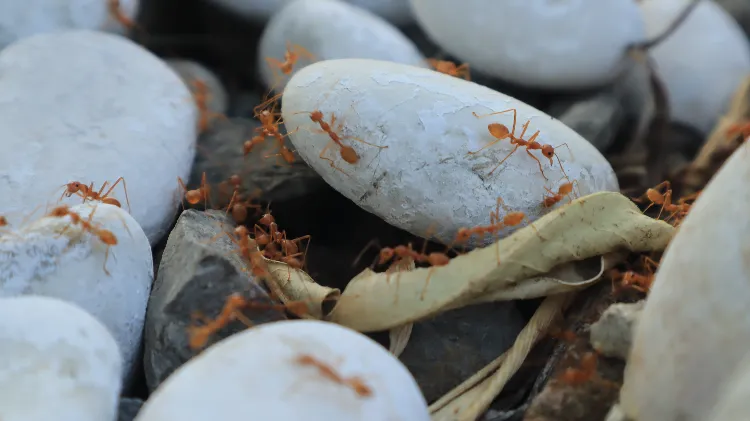
Red ants (Myrmica spp.) are commonly found under stones, in soil, and in damp logs. These highly organized social insects live in colonies with a strict hierarchy:
👑 Queen – Lays thousands of eggs.
👷♂️ Workers – Gather food, build tunnels, and care for the young.
🛡 Soldiers – Protect the colony from invaders.
🍽 What Do They Eat?
🔹 Other insects and small invertebrates.
🔹 Plant material and sugary secretions (like honeydew from aphids).
⚠️ Warning:
Red ants bite and sting when threatened! Their sting can cause pain, swelling, and allergic reactions in some people.
🐛 The Centipedes & Millipedes – Nature’s Clean-Up Crew
Both centipedes and millipedes thrive in damp environments, hiding under rocks, wood, and soil. But they have very different lifestyles:
🦠 Millipedes – The Gentle Decomposers
🔹 Feed on dead plants and decaying matter.
🔹 Move slowly and curl into a spiral when threatened.
🔹 Release a mild toxin (which can cause skin irritation).
🕷 Centipedes – The Fast Predators
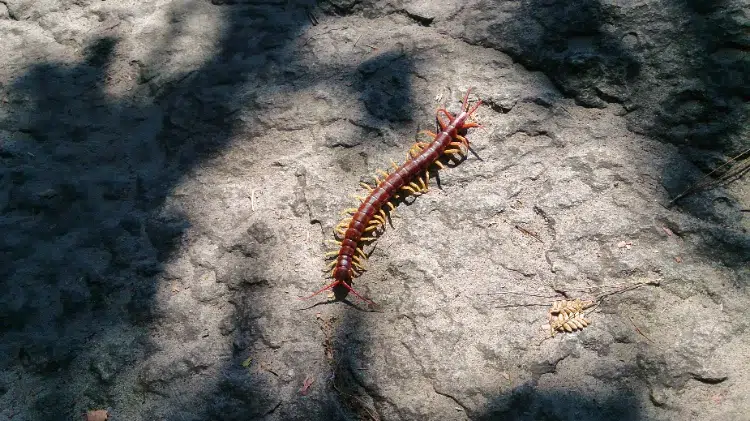
🔹 Hunt insects and spiders at night.
🔹 Have sharp fangs that inject venom into their prey.
🔹 Move quickly and are rarely seen in the open.
🧐 How to Tell Them Apart?
🐛 Millipedes – Two pairs of legs per segment, slow-moving, eat plants.
🦂 Centipedes – One pair of legs per segment, fast-moving, eat insects.
🌍 Why Are These Insects Important?
Though they might seem like pests, these under-rock creatures play a vital role in ecosystems:
✅ Woodlice and millipedes recycle nutrients by breaking down dead matter.
✅ Ants aerate the soil and control pest populations.
✅ Centipedes help keep insect populations in check.
So next time you lift a rock, take a moment to appreciate the mini-ecosystem thriving beneath it! 🪨🦗🌿


