
Looking for a perennial ground cover plant that produces flowers and requires minimal watering for dry or rocky areas? Look no further! Meet Armeria Maritima, commonly known as sea marigold or Spanish grass. Discover how to care for this resilient plant and create a stunning carpet of flowers from May to October!
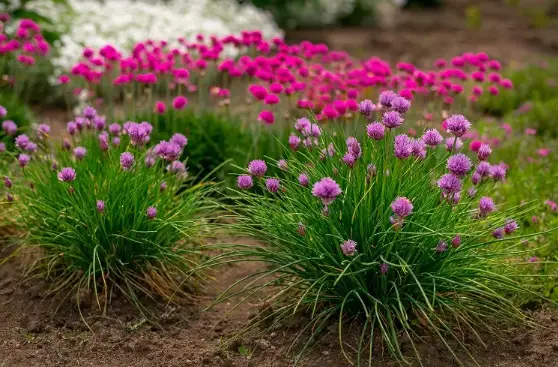
What Is Spanish Grass?
Spanish grass, or sea marigold, is an essential ground cover for dry gardens that thrives without watering. From varieties like Armeria maritima Alba to the white and pink Spanish lawns such as Düsseldorfer Stolz, all are hardy, drought-resistant, and can withstand sea spray. This plant establishes easily in sunny locations and requires little maintenance, making it a superb alternative to traditional lawns while helping reduce weeding chores!
Where and How to Plant It?
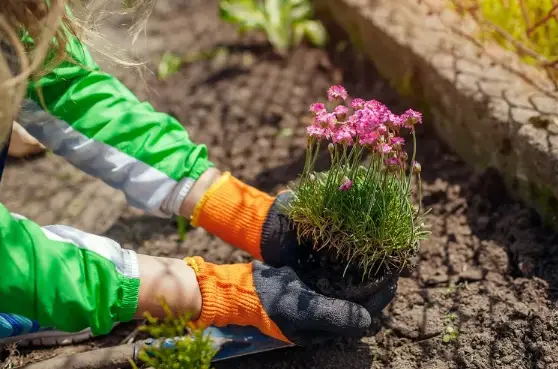
The sea pink can be planted from March to April or in September in any type of well-drained soil, thriving particularly in calcareous soils. This hardy perennial can withstand low temperatures and drought, requiring only sunny exposure to flourish. For a beautiful uniform carpet, plant one plant every 30 cm. If your soil is heavy, add coarse sand or gravel to enhance drainage.
Planting in Open Ground
- Dig a hole that is deep and three times wider than the root ball.
- Place the plant without burying the root collar.
- Fill with the extracted soil and tamp down.
- Water thoroughly, then cease watering.
Planting in Pots

Spanish grass can also be grown in planters or tubs. Here’s how:
- At the bottom of a 30 cm diameter pot, spread a layer of drainage clay balls.
- Place the plant and add a mixture of potting soil, garden soil, and gravel.
- In summer, mulch and water regularly.
- In winter, bring the pot into a greenhouse or cover it with winter fleece.
How to Maintain Spanish Grass?
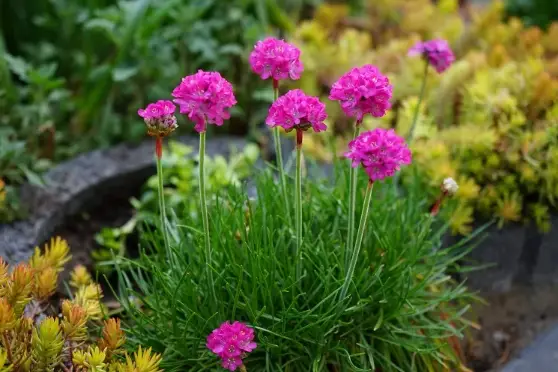
Spanish grass is easy to maintain and incredibly resilient, tolerating cold temperatures (down to -20°C), drought, wind, and sea spray. It thrives in sunny, well-drained, poor (even chalky) soil, making it a great choice for Mediterranean climates.
Sun Exposure and Soil
- Plant in full sun, avoiding shaded areas from trees to promote abundant flowering.
- After blooming, cut back dry stems to maintain a tidy clump.
Watering
- Overwatering is the greatest enemy of Armeria. Ensure the soil is well-draining and never soggy.
Fertilization
- If grown in open ground, fertilization isn’t necessary. However, for Spanish grass in planters, enrich the soil with a flowering plant fertilizer once a month to boost flowering and vigor.
How to Propagate Spanish Grass?
The simplest way to propagate Spanish grass is by dividing tufts in spring, preferably from plants that are 2-3 years old. Here’s how to divide:
- Using a spade, lift the clump.
- Separate a few pieces.
- Replant them in well-drained soil and water generously.
Diseases and Parasites
Spanish grass is largely resistant to pests and diseases but can occasionally be affected by rust, a fungal disease that produces pustules on the leaves. If this occurs:
- Cut off the infected leaves.
- Treat with nettle or horsetail manure.
In winter, watch for spiders and aphids, especially when the plant is in a greenhouse.
Now that you know everything about Spanish grass, you can create a stunning, low-maintenance flower carpet in your garden! Enjoy the beauty it brings from spring through autumn!


