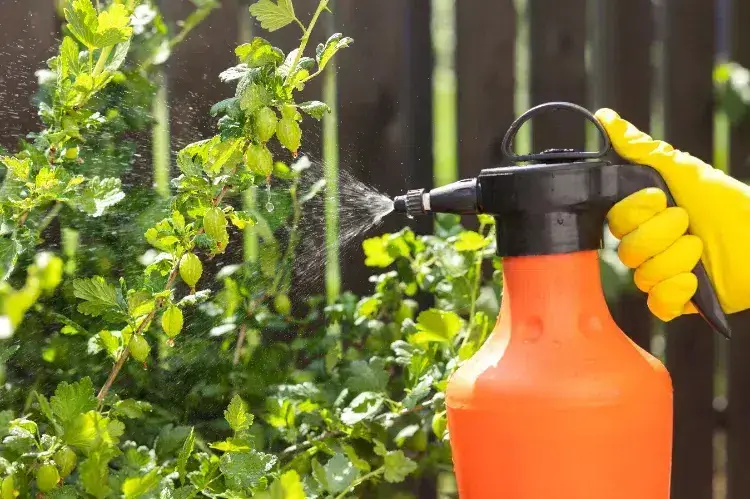
Pesticides, including insecticides, fungicides, and herbicides, are chemicals designed to eliminate unwanted organisms from gardens and crops. However, as concerns about environmental impact and health risks grow, many are turning to natural alternatives. Did you know that certain plants can effectively replace pesticides? Let’s explore some of these eco-friendly options that can help reduce pollution and enhance your garden’s health.

Understanding Pesticides
Pesticides are active substances used to prevent, control, or eliminate pests. They fall into various categories:
- Herbicides: Target weeds
- Fungicides: Combat fungal infections
- Insecticides: Address insect problems
While pesticides have historically increased food production, their negative impacts on health and the environment are leading to a shift towards more sustainable practices. This includes implementing biological control, diversified crop systems, and using plants with natural pesticide properties.
Top 3 Plants that Replace Pesticides
Here are three standout plants that can serve as effective alternatives to chemical pesticides:
1. Neem Tree (Azadirachta indica)
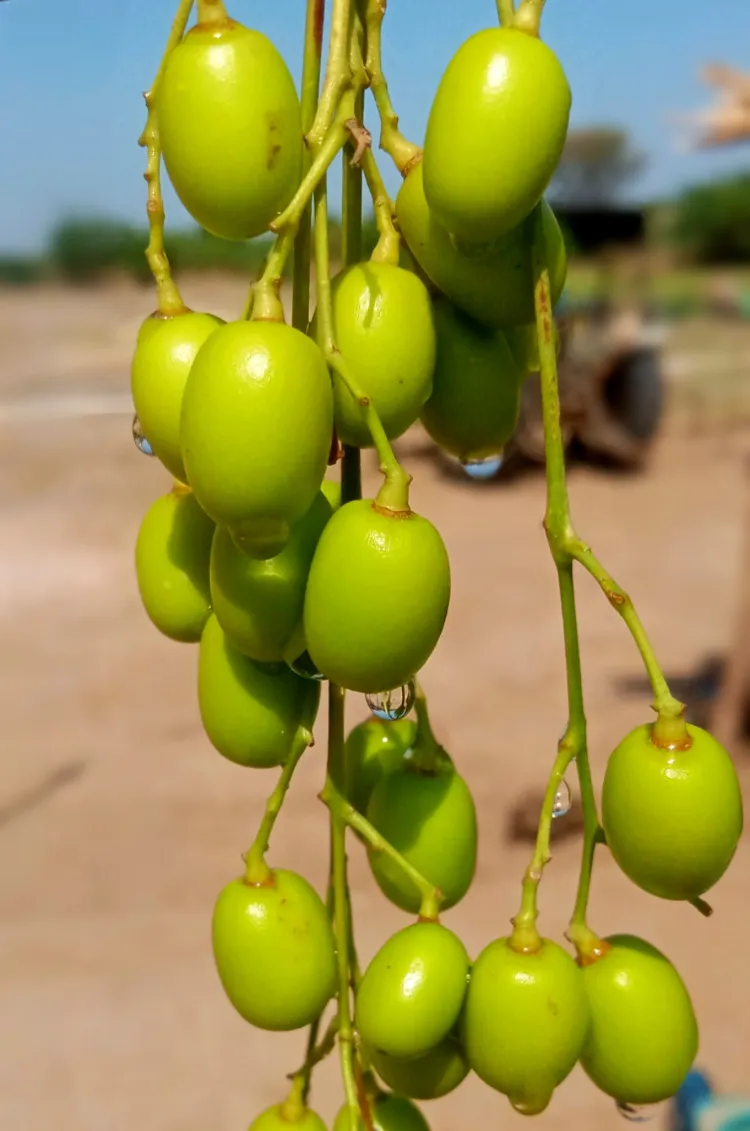
Neem is a versatile plant native to India. Its leaves and seeds possess several pesticidal properties:
- Insecticidal: Helps in controlling various insects
- Antifungal: Effective against fungal infections
- Dewormer: Useful in managing soil pests
Applying neem extracts to crops like tomatoes can:
- Reduce fungal infections
- Limit the hatching of harmful insect eggs
- Alter insect behavior and fertility
Using neem helps decrease populations of pests such as caterpillars and aphids, making it a valuable natural pesticide.
2. Burdock (Arctium lappa)
Burdock is widely used in organic farming as a biostimulant. It is commonly applied in the form of a fermented extract. Its benefits include:
- Nutrient-Rich: Contains potash, which supports plant growth similarly to nitrogen and phosphorus
- Enhances Soil Health: Often combined with other plants like yarrow, angelica, and borage to improve soil quality
Burdock not only supports plant growth but also contributes to healthier, more resilient crops.
3. Spices
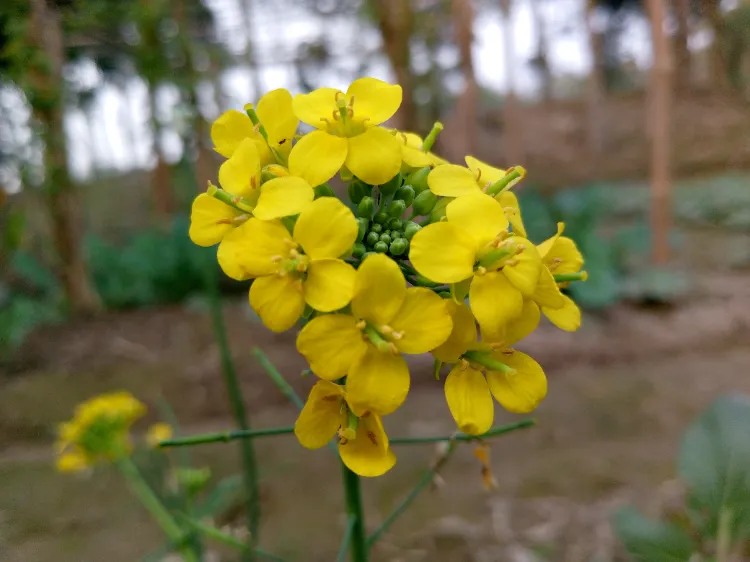
Certain spices can also act as natural pesticides:
- Guinea Pepper (Xylopia aethiopica)
- Black Mustard (Sinapis nigra)
- Tobacco (Nicotiana tabacum)
These spices are effective in repelling pests like beetles, whiteflies, and thrips. Their pesticidal properties can be enhanced by mixing them with other plant-based substances. Additionally, many of these spices offer medicinal benefits and can be used in cooking or as leafy greens.
Benefits of Using Pesticidal Plants
- Reduced Environmental Impact: Plant-based pesticides decompose quickly, minimizing pollution and reducing harm to beneficial organisms.
- Healthier Produce: Natural pesticides help maintain the quality of the food grown.
- Integrated Pest Management: These plants can keep pest populations below harmful levels without completely eradicating them.
By integrating these plants into your garden, you can reduce your reliance on chemical pesticides and promote a healthier, more sustainable environment.


