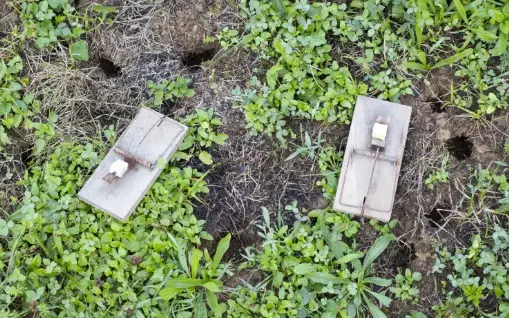
While rats are more commonly associated with indoor spaces, they can also become unwelcome guests in gardens. Dealing with rat holes in the garden requires strategic approaches to encourage the rodents to leave. In this article, we explore what to put in a rat hole and how to get rid of these pests naturally.
1. How to Recognize a Rat Hole?
Rat holes in the garden are recognizable by their characteristic appearance in the soil. If you notice such holes, it’s crucial to address the issue promptly. Understanding the reasons for rat presence in the garden, such as shelter and food sources, is essential for effective control.
2. What to Put in a Rat Hole in the Garden Soil to Get It Out?
When determining what to put in a rat hole, consider natural methods to encourage the rodents to leave. Here are some tips:

2.1 Use Water to Get the Rat Out of Its Hole:
- Use a garden hose to fill the rat hole with water.
- The rat will be forced to exit its hole and seek shelter elsewhere.
- This method is humane and natural.
2.2 What to Put in a Rat Hole? Use Ammonia:
- Avoid using toxic indoor poisons by placing cotton balls soaked in ammonia in and around the rat hole.
- Ammonia naturally repels rodents, encouraging them to leave their nests.
- This method is safer for humans and pets.
2.3 Scare Away Rats Using Mint and Pepper Powder:
- Create a homemade rat deterrent by soaking cotton balls in mint oil.
- Place these mint-soaked cotton balls in and around the rat hole.
- To enhance effectiveness, mix mint oil with pepper powder and strategically place it in potential hiding spots for rodents.
- Replace the cotton balls every few days to maintain the deterrent effect.
3. How to Plug a Rat Hole in the Ground?
Aside from using repellents, it’s important to address the entry points and plug rat holes effectively. Use soil or appropriate materials to fill and close the holes, preventing rats from returning to the nesting sites.
In conclusion, applying these natural and humane methods can help you deter rats from your garden without resorting to harmful chemicals. Regular monitoring and preventive measures contribute to long-term rodent control.


