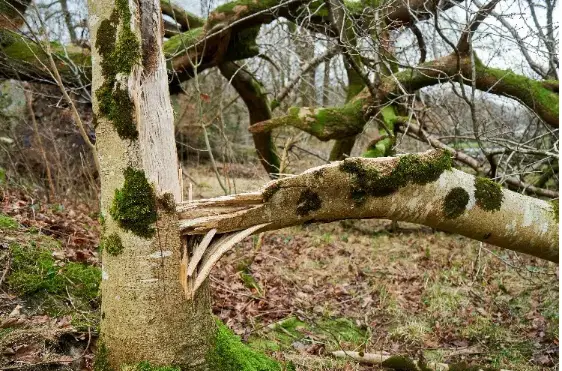
When to cut down a dead tree?

Tips, rules, and implementation:
- What is the procedure for felling a tree in the garden?
- If you suspect a tree is dead or dying, it’s essential to follow proper procedures, especially if it’s a protected species or located in a designated wooded area. Contact local authorities to determine if a cutting permit is required. Additionally, ensure compliance with any regulations outlined by the local planning system or town hall.
- When to cut down a dead tree?
- Signs of a dead tree include premature leaf loss, delayed leaf formation in spring, absence of buds, and lack of green cambium layer beneath the bark. Conduct a vitality test by bending a young stem—if it snaps easily, the tree may be dead. Scraping the bark to check for green or brown cambium color can also confirm its health status.
- When does a tree become dangerous?
- Dead or dying trees pose risks during felling, with falling branches or trunks potentially causing damage to property or posing safety hazards. Consider hiring a specialist for safe removal, especially if the tree is leaning, withered, or showing signs of internal rot. Assess the surrounding area for obstacles like fences, furniture, or electrical wires, and use appropriate tools for the job.
- How do you know if a tree is dead or not?
- Look for signs such as leaf loss, delayed leaf formation, presence of fungi, exposed root systems, and structural instability. These indicate potential issues affecting the tree’s health and structural integrity. Additionally, observe any changes in the tree’s appearance or behavior, such as leaning or leaning branches, which may indicate declining health or impending collapse.
By following these guidelines and paying attention to the signs of a dead or dying tree, you can determine the appropriate course of action for safe and effective tree management in your garden.
Show Comments


