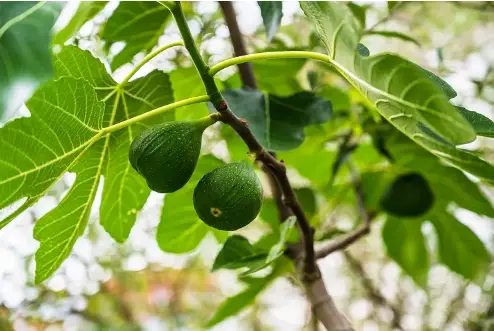
The process of pruning fig trees can significantly impact their fruiting and overall health. Understanding the types of fig trees and their distinct pruning needs is crucial for maintaining a fruitful and robust tree. Here are key considerations for when and how to prune fig trees:
1. When to Prune a Fig Tree to Produce Figs?
Uniferous Fig:
- Grown in cold regions, fruits once a year (September).
- Winter pruning in February or March.
- Remove branches that bore fruit the previous year.
- Aim to aerate the center for more sunlight and encourage fruiting.
Biferous Fig:
- Common in warmer regions, fruits twice a year.
- Light pruning; not essential to remove all branches from the previous year.
- Pruning period depends on climate: February-March in cold regions, November in milder climates.
2. How to Prune a Fig Tree? The Different Types of Size
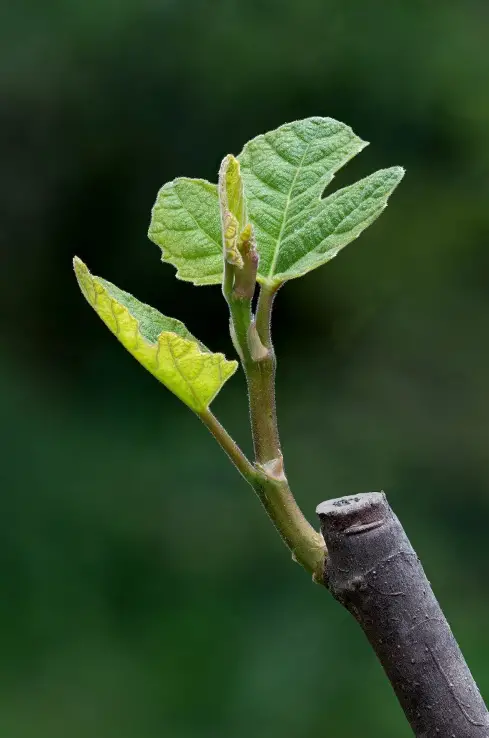
2.1. How to Prune an Adult Fig Tree? Maintenance Pruning:
- Cut branches back to 4-5 eyes above the previous year’s cut.
- Optionally cut back a third of new branches, leaving some buds for spring.
- Prune fine branches on trunk and main branches, keeping only the most vigorous ones.
2.2. Old Fig Tree that is Too Tall or Invasive? Rejuvenation Pruning:
- Cut the tree back to the ground for rejuvenation.
- New shoots will emerge from the stump; cut half of them to relieve the tree.
- In June, cut back remaining branches.
- Follow the principle of training size in subsequent years.
- This type of pruning is rarely done, every 20-30 years.
2.3. Young Fig Tree? Training Size:
- Prune internal branches to keep only outward-directed carpenters.
- Develops a proper silhouette during the initial years.
2.4. Fig Tree Shoots:
- Remove suckers to prevent the tree from getting too tired.
- Suckers appear at the base of the tree; keep the most vigorous ones.
3. What Care After Pruning?
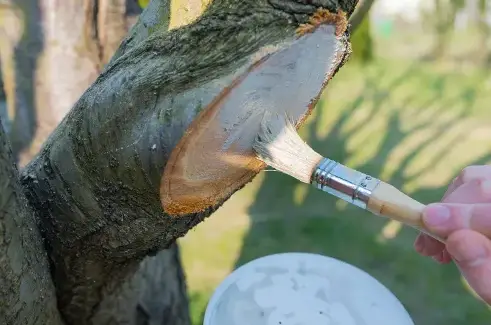
- Apply a healing ointment to wounds after pruning to prevent pests and diseases.
- Green clay healing ointment, wood ash, beeswax, or diluted Bordeaux mixture can be used.
- Brush the wound and apply a thick layer of putty, ensuring rainwater doesn’t seep in.
Pruning is a balancing act that promotes healthy growth, maximizes fruit production, and maintains an aesthetically pleasing silhouette for fig trees. Proper care after pruning is essential to protect the tree from potential issues.
Show Comments