The common lilac (Syringa vulgaris) is beloved for its intoxicating fragrance that fills the air in April and May, but when is the best time to prune it to ensure healthy growth and vibrant blooms? Should you treat a young lilac differently from an older one? Here’s a detailed guide on how to prune common lilac based on its age, variety, and overall care.

Which Variety of Lilac Should You Choose for Your Garden?
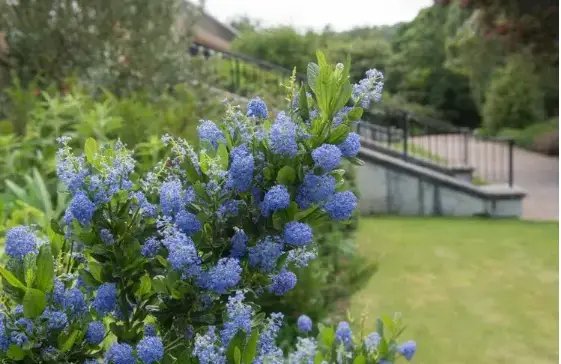
Before delving into pruning techniques, it’s important to understand the different varieties of lilac you may encounter. The common lilac comes in several varieties, each offering a different floral display:
- Sensation – Known for its stunning two-tone flowers.
- Primrose – Features pale yellow blooms.
- Persian lilac – Has small, fragrant flowers in purple or white.
While these varieties differ in flower color and shape, they share similar growth habits and pruning needs. At an advanced age, lilacs can grow up to 5 meters tall and require regular pruning to maintain their shape and size.
How to Have a Beautiful Lilac

To cultivate a healthy, beautiful lilac, ensure it’s planted in a semi-sunny location where it receives at least six hours of sunlight daily. Lilacs prefer fertile soil that is moderately moist, but they do not tolerate wet feet, so ensure good drainage.
Pruning is crucial for lilacs, as it encourages vigorous flowering and keeps the plant healthy. Spring pruning is ideal for most lilac varieties, but the timing and technique can vary depending on the age of the shrub.
How to Prune Common Lilac
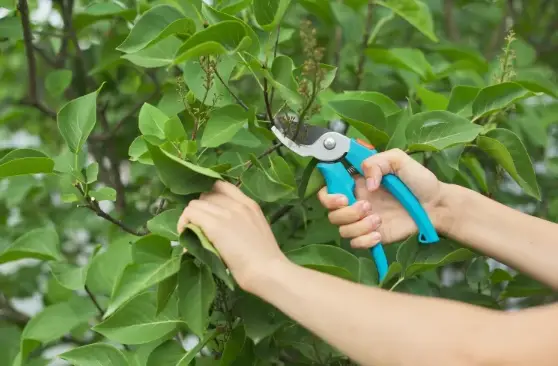
Pruning lilacs is an art, and it’s essential to know the correct timing and method to maximize blooms while keeping the plant healthy. Here’s a breakdown based on the plant’s age:
Pruning a Young Lilac
If you have a young lilac that has not yet bloomed or is still in the process of establishing itself, avoid heavy pruning. Let the plant focus on growing and forming its crown. For a young lilac that’s flowered for the first time, prune only the dead flowers and any excessive growth between the end of May and early June. Trim back to the first lateral branch to encourage branching and a more compact shape.
Pruning an Older Lilac
For an older lilac that looks dull or overgrown, rejuvenation pruning is necessary. Old branches can hinder the growth of new shoots, so remove them to improve airflow and vitality. You can even cut back the main trunk by about 50 cm from the ground to encourage new buds to sprout from the base.
Keep in mind that regardless of the plant’s age, you must be patient. After performing rejuvenating pruning, it typically takes three years for the plant to flower again. However, the wait will be worth it for the stunning display of blooms that will follow.
When to Prune Common Lilac
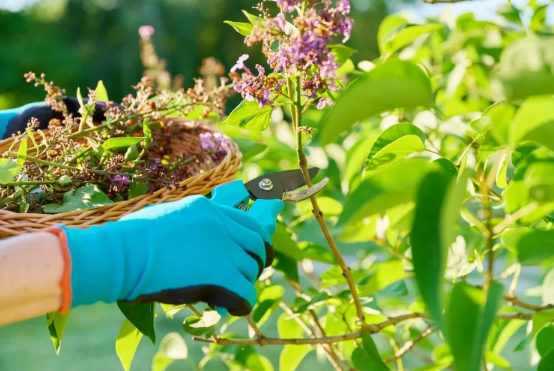
The best time to prune common lilac is in early spring, before the sap starts flowing. During this time, remove any weak, broken, or crossing shoots, as well as overly flowering sprigs. This will ensure that the plant directs its energy toward healthy growth and new blooms.
- Spring Pruning: Ideal for cutting dead flowers, weak branches, and ensuring proper shape.
- Avoid Summer or Fall Pruning: Pruning too late in the season can interfere with the next year’s flowering cycle and stress the plant.
Lilac Care Beyond Pruning
While pruning is an important aspect of lilac care, it’s not the only task. Here are a few additional tips for maintaining a healthy lilac shrub:
- Feeding: Fertilize your lilac plants with a balanced mix of phosphorus, potassium, and nitrogen in the spring and again after blooming. This supports strong growth and encourages vibrant blooms.
- Soil Care: The root system of lilacs is shallow, so avoid disturbing the soil around the plant. Instead of digging, mulch with half-burned leaves, sawdust, or rotted manure to nourish the soil without damaging the roots.
- Watering: Water regularly in the first year of planting, especially during dry spells. Established lilacs can tolerate periods of drought but may benefit from occasional deep watering.
- Rejuvenation: For lilacs that are grafted, avoid cutting the plant too low, as it can damage the scion. Prune above healthy branches to ensure the graft remains intact.
Common Lilac Reproduction
Common lilac is propagated through vegetative methods, such as grafting or cuttings. This ensures that the plant maintains its genetic traits, including flower color and fragrance. If you are rejuvenating a grafted lilac, be careful when cutting stems, as cutting too low can damage the graft.
Key Pruning Tips:
- Prune in spring before sap flow.
- For young lilacs, remove only dead flowers and any overgrown branches.
- For older lilacs, remove old, dead wood and cut back the main trunk for rejuvenation.
- Avoid pruning in summer or fall, as this can damage the plant and affect future blooms.
Final Thoughts: Pruning Your Common Lilac
Pruning your common lilac correctly is essential for a healthy, vibrant shrub that produces intoxicatingly fragrant blooms each year. By considering the age of the plant and pruning accordingly, you can ensure that your lilac grows strong and continues to provide beauty and fragrance for years to come.
Remember, lilacs are relatively low-maintenance shrubs, but proper care and timely pruning will help you get the most out of these fragrant beauties.