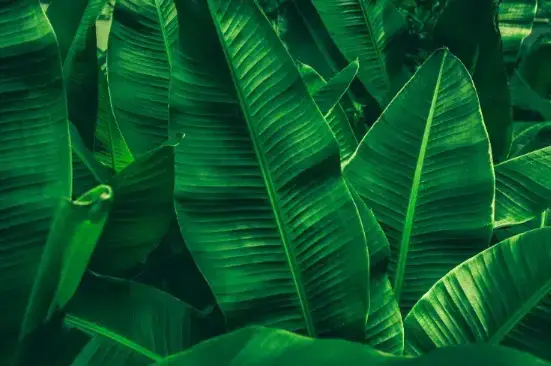
Banana trees are renowned for their exotic appeal, adding a lush, tropical vibe to any garden or terrace. However, to ensure that your banana tree thrives, it’s essential to choose the right location, exposure, and soil. Let’s explore the best practices for planting and maintaining this unique plant.

Banana Varieties
There are around 50 species of banana trees, native to tropical and subtropical regions. While some varieties are edible, many others are purely decorative. Depending on the species, a banana tree’s trunk can range from a few dozen centimeters to several meters in height. When planting a banana tree, it’s important to select the right variety based on your space and climate.
Best Exposure for Your Banana Tree
When planting a banana tree, protect it from strong winds that can tear its leaves, leaving them unsightly. The ideal placement is along a south-facing wall or low wall, which offers protection and promotes healthy growth. While some banana species may get sunburned from direct sunlight, most varieties flourish in a sunny environment and will flower and fruit with ease, given enough warmth.
Make sure your banana tree receives at least 5 hours of direct sunlight per day for optimal growth. Initially, introduce the plant to sunlight gradually. For instance, place it about two meters from a south-facing window before moving it closer to avoid leaf burn.
Banana trees also need warm temperatures to thrive:
- 14°C during the day
- 10°C at night
Choosing the Right Soil for Banana Trees
Banana trees prefer well-draining, rich soil to encourage healthy growth. During the winter, water needs are reduced, but the soil should remain slightly moist. The air around the plant should also be humid—especially in indoor settings where heaters can dry out the air. To combat this, use a humidifier or place a bowl of water on the heating system to keep moisture levels in check.
When and How to Plant Your Banana Tree
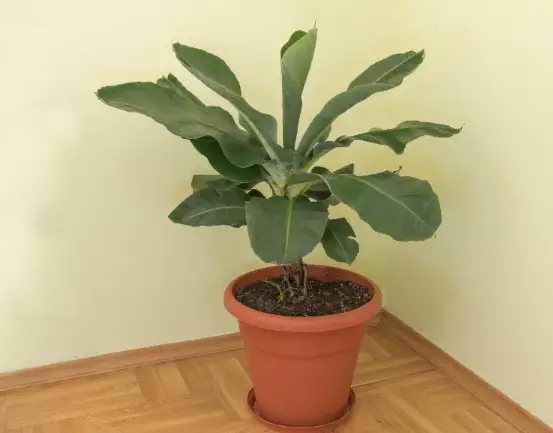
The best time to plant subtropical banana trees outdoors is between March 15 and September 15. To plant your tree successfully:
- Prepare the Hole: Dig a hole that is at least three times the size of the root ball, ensuring proper space for the roots to spread.
- Add Drainage: Place a layer of drainage material at the bottom of the hole to ensure good water flow.
- Create a Rich, Well-Draining Mix: Combine garden soil, potting soil, decomposed manure, and coarse, non-calcareous sand for the planting mix. This will provide the banana tree with the nutrients it needs while preventing waterlogging.
For those planting tropical and subtropical banana trees in pots, repot every two years into a larger pot with a similar rich and well-draining mix. For indoor growth, banana trees can thrive on verandas, but indoor air is often too dry. To keep the plant healthy, consider placing it on a tray filled with water-saturated gravel or clay balls and add water as needed when the surface dries out.
Conclusion
Planting a banana tree successfully requires attention to exposure, soil, and watering. By selecting the right location, offering adequate sunlight, and using a proper planting mix, you can ensure that your banana tree will thrive and add a tropical touch to your home or garden. With these tips, you’re on your way to enjoying your very own banana tree for years to come! 🌿🌞


