
Celosia Parade is a spectacular plant known for its vibrant, feather-like or crest-shaped flowers. Perfect for any garden enthusiast, this plant adds a splash of color and intrigue to both indoor and outdoor spaces. Here’s a comprehensive guide on where to plant your Celosia Parade and how to keep it thriving throughout its growth cycle.
1. Where to Plant a Celosia Parade: Indoors or Outdoors?
Celosia Parade can be successfully grown both indoors and outdoors. The choice depends on your climate and growing conditions:
Outdoors
- Location: Plant Celosia Parade in a sunny spot with full sun exposure. It thrives in well-drained soil and needs a location that receives at least 6-8 hours of sunlight daily.
- Timing: The best time to plant outdoors is in spring, after the last frost and once the soil has warmed up. This allows the plant to establish itself and grow strong throughout the growing season.
Indoors
- Location: For indoor growth, place Celosia Parade in a bright, sunny window. It needs direct sunlight to flourish, so a south-facing window is ideal.
- Timing: You can start seeds indoors a few weeks before the last expected frost, or transplant young plants into larger pots as needed.
2. How to Maintain Your Celosia Parade
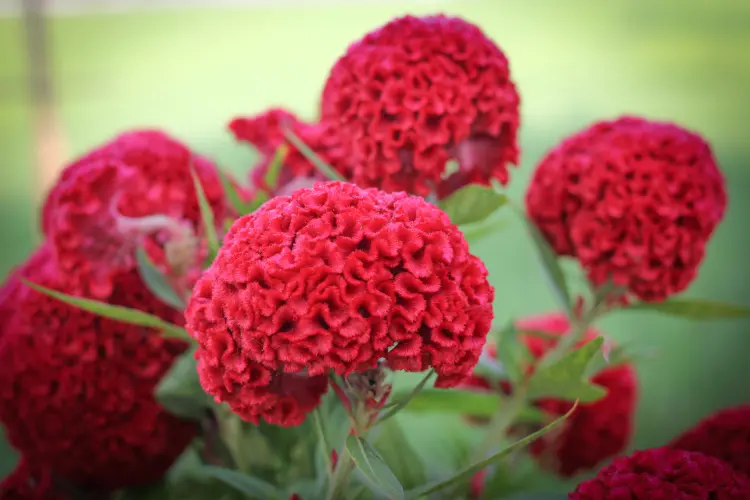
Proper maintenance is key to keeping your Celosia Parade healthy and vibrant. Here’s how to care for this beautiful plant:
Soil Requirements
- Type: Use well-draining soil that retains moisture but doesn’t become waterlogged. If your garden soil is clayey, amend it with compost or sand to improve drainage.
Lighting Needs
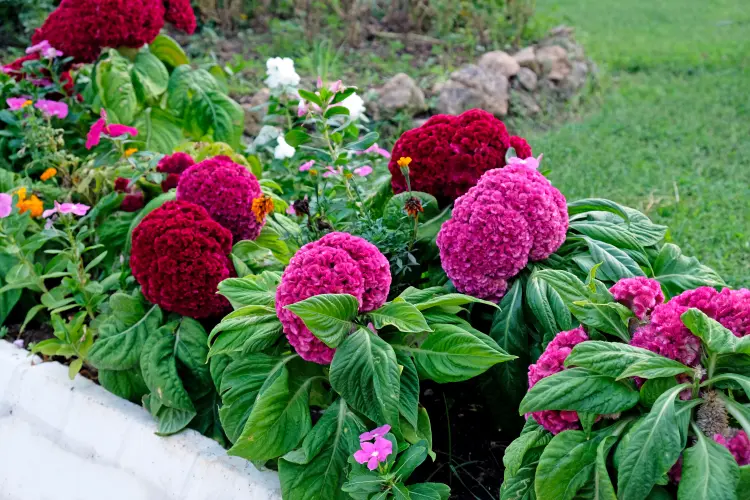
- Sunlight: Celosia Parade requires full sun for optimal growth. If grown indoors, ensure it receives strong, direct light for at least 8 hours per day. While it can tolerate partial shade, more sunlight generally results in more vibrant blooms.
Ideal Temperature
- Temperature: This plant prefers warm conditions and thrives in temperatures around 60°F to 75°F (15°C to 24°C). Celosia Parade is sensitive to frost and cold temperatures, so protect it from chilly drafts or sudden temperature drops.
Watering
- Frequency: Keep the soil consistently moist but not soggy. Water the plant when the top 1-2 inches of soil feels dry to the touch. Avoid getting the leaves and flowers wet to prevent fungal diseases. Water at the base of the plant to ensure the roots receive adequate moisture.
- Method: Use a drainage hole pot for indoor plants to prevent excess moisture buildup. Apply a liquid fertilizer once a month during the growing season to support healthy growth and blooming.
Pruning
- Maintenance: While Celosia Parade does not require extensive pruning, removing dead or faded flowers can encourage new blooms. This process, known as deadheading, helps maintain the plant’s appearance and promotes continuous flowering from late spring through fall.
Common Issues
- Pests: Indoor Celosia Parade plants may be more susceptible to pests such as whiteflies. Use natural or organic methods to manage infestations, such as insecticidal soap or introducing beneficial insects like ladybugs.
- Diseases: Avoid overwatering to prevent root rot and fungal diseases. Symptoms of problems include yellowing leaves or rotting stems. Ensure good air circulation around the plant and avoid wetting the foliage.
Conclusion
Whether grown indoors or outdoors, Celosia Parade is a visually striking plant that can enhance any space. By choosing the right location, providing proper soil, light, and temperature conditions, and maintaining appropriate watering and pruning practices, you can enjoy a lush and vibrant display of flowers. With these tips, you’ll be well on your way to successfully cultivating this beautiful and colorful plant in your garden or home.


