
Did you know that September has been the wettest month in France since 1999, followed by the autumn months like October and November? While northern and western regions are often the most affected, it’s essential to know which plants are at risk during heavy rain and how to protect them.

Plants at Risk in the Event of Heavy Rain in France
In recent years, while drought has dominated the conversation, sudden heavy rainfall events are becoming more common worldwide, including in France. When soil is already parched, it struggles to absorb the large amounts of water, making it difficult for plants to thrive. Different plants have varying tolerance to excess water, with some adapted to damp conditions, while others are more vulnerable to heavy rain.
Plants in the Vegetable Patch
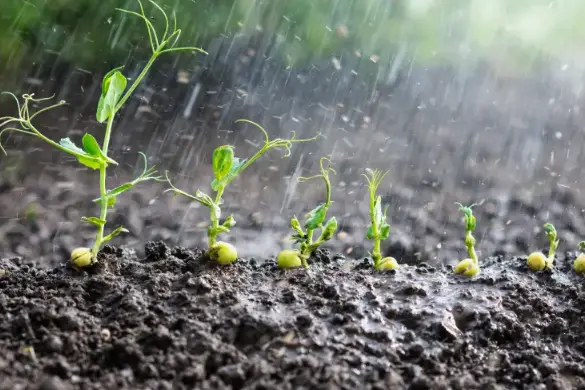
The vegetable patch is highly susceptible to excess water, as the soil’s ability to absorb large amounts of rain decreases. This can lead to root rot or drowning. Tomatoes, cabbages, potatoes, raspberries, and strawberries are especially at risk. These plants can easily rot if not properly protected during heavy rainfall.
Plants with Susceptible Roots

Even beyond the vegetable patch, many plants do not tolerate soggy soil. Lavender, Byzantine hedgehog, and Artemisia are examples of plants that can suffer from too much water. Most evergreen trees and shrubs are also vulnerable to excess water, making them prone to damage during heavy rain.
The Delicate Flowers

Flowering plants like roses, geraniums, and petunias can also be considered risky during heavy rain. The delicate flowers may be damaged by heavy raindrops, and the stems can become heavy, causing them to break under the weight of the water.
The Succulents

While succulents are often very robust and hardy, they don’t tolerate excess water well. In such conditions, they are prone to rot, especially if their drainage is inadequate.
Some Trees and Tall Plants
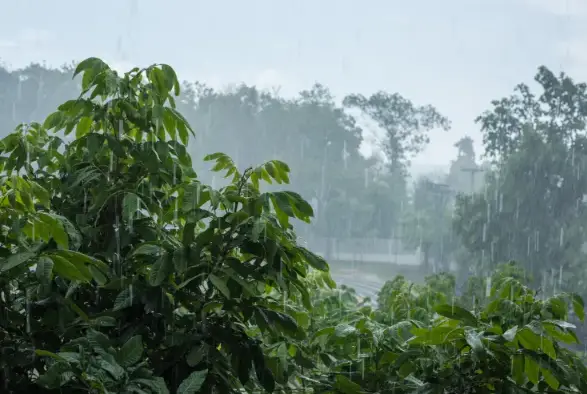
Young fruit trees that are not yet well-established are vulnerable to heavy rainfall, as their thin branches can easily break under the weight of the water. Tall plants, such as grasses or sunflowers, can also suffer if not properly supported. The combination of water and strong winds can cause these plants to fall or break.
Potted Plants and Planters

If you have potted plants or planters outdoors, be aware that they are highly susceptible to water stagnation. When water cannot drain properly from the pot, plants can drown, and their leaves may start to yellow. It’s crucial to ensure good drainage in containers to prevent this.
How to Protect Your Garden from Precipitation

To protect your plants during heavy rain, here are some strategies:
- Improve Drainage: Add organic matter like compost to make the soil more porous, helping it absorb excess water. This can help prevent root rot and improve plant health.
- Use Mulch: Mulching helps in both drought and overwatering conditions by speeding up drainage and keeping water away from plant roots.
- Raised Beds: Creating raised beds helps prevent soggy soil and ensures plants stay above the natural soil level, protecting them from excess moisture.
- Provide Support: Use stakes for tall plants or glass cloches for delicate plants to prevent damage from heavy rain. In larger spaces, consider using rain netting to protect your plants.
With heavy rainfall becoming more frequent after periods of drought, it’s crucial to know how to protect your garden. By taking these simple measures, you can help ensure your most vulnerable plants survive and thrive despite the changing weather conditions.


