
Why do Photinia Leaves Turn Yellow? What Diseases Can Affect it?
Photinia is a versatile shrub that thrives in various conditions, but it’s not immune to diseases. Here’s why Photinia leaves may turn yellow and what diseases can affect it:
1. Fire Blight:
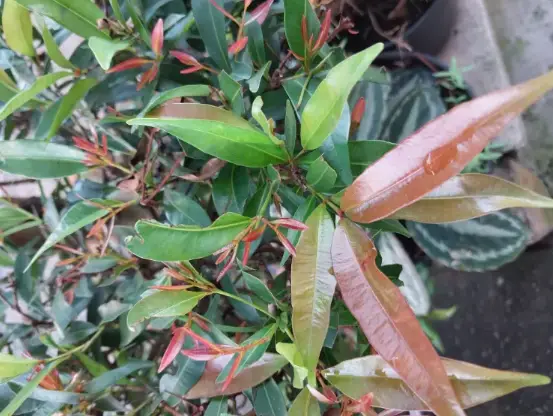
- Fire blight, caused by bacteria, thrives in warm, damp conditions. It primarily affects young shoots, giving them a burnt appearance. Preventive treatment with copper sulfate is essential during spring and summer to control aphids, which create entry points for the bacteria. Pruning infected branches should wait until winter, and severely affected branches need to be removed and burned.
2. Entomosporiosis:

- When Photinia leaves turn yellow and drop off, it’s often due to entomosporiosis, caused by the Entomosporium mespili fungus. This disease thrives in cool, humid environments during spring and autumn, weakening the plant and slowing its growth. Chemical treatments such as chlorothalonil, propiconazole, or myclobutanil can be effective if applied early and regularly from early spring. Proper sanitation, including collecting and burning fallen branches and leaves, is crucial for management.
3. Powdery Mildew:

- Curled leaves on Photinia may indicate powdery mildew, a microscopic fungus that appears in spring and causes damage. Effective treatments include sulfur powder diluted in water, baking soda solution, Bordeaux mixture sprayed in the evening at the first signs of infection, or a solution of skimmed milk sprayed twice a week.
By identifying these diseases early and implementing appropriate treatments and preventive measures, you can help your Photinia shrub remain healthy and vibrant. Regular monitoring and proper care are essential for preventing and managing these issues.
Show Comments


