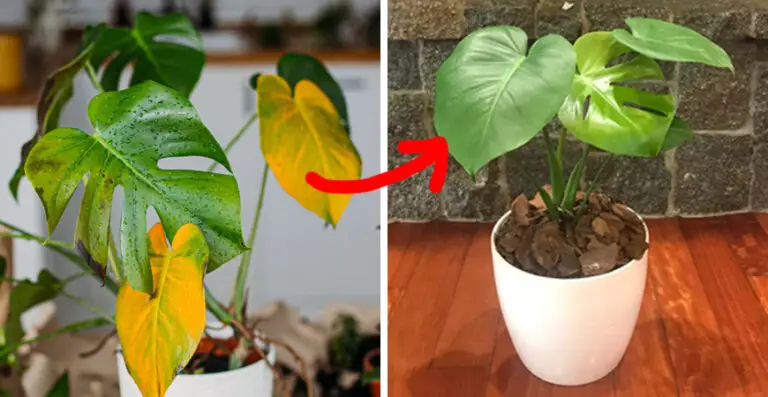
We all love to fill our house with plants, that touch of green that brightens and enhances any home. Hasn’t it happened to you that suddenly your favorite plant starts to turn yellow? Don’t be alarmed, there is a solution for every problem.
First of all, I tell you that the yellow color of your plants has a name: chlorosis . This symptom occurs when there is a chlorophyll deficiency, and if there is not enough chlorophyll, the precious photosynthesis will not occur correctly and it could dry out.
What we must define is that this change in color is not due to a change in season, or as happens in some plants that lose some leaves when bearing fruit to give them all the energy. If none of this happens, then check out this list of possible reasons for your color change.
What happens to the leaves of my plants that are yellow?

1. Lighting
With respect to lighting, there can be two causes that are totally different from each other. When we leave semi-shade indoor plants in direct sun, they will immediately look yellow because the sun burns them. On the contrary, the lack of light results in not being able to carry out adequate photosynthesis, therefore the plant begins to lose strength and color, affecting its leaves, which will look light and languid.
2. Irrigation
If we observe that our plant is yellowing irregularly and its soil is very dry, it is due to lack of irrigation since the plant begins to lose its leaves to prevent the evaporation of the little water it has left. On the other hand, if we observe that yellow is seen regularly, it is telling us about excessive watering that can be caused because we overwater or that our pot does not have good drainage and the roots rot.

3. Lack of iron
When there is an iron deficiency, you see yellow leaves but green veins, this is called iron chlorosis . The cause usually occurs when the PH of our soil is too high, hard water causes this, affecting the absorption of iron in our plant, therefore it will not be able to form the chlorophyll it needs.
4. Lack of nitrogen
Nitrogen is essential in plants, since it is responsible for enhancing the greenness of the leaves and the growth phase . Plants in their first period need to have this nutrient to grow healthy and happy. If our pot is becoming too small and has been in it for a long time, you should consider adding nutrients to the soil again to ensure that it develops at its maximum splendor.
Solutions for yellow leaves

- Find out the watering that each of our plants needs, each plant has specific characteristics . I recommend that in case of flooding, place gravel on the bottom to facilitate optimal drainage and if you want to improve permeability, mix the earth with river sand.
- Iron deficiency is solved with iron chelate, this product is known as antichlorosis greening since it balances the PH quickly and allows your roots to absorb it again. If they are plants that need acidic soils, such as azaleas, you must replace them with the appropriate substrate.
- If you need more nitrogen in your land you can easily purchase it at a nursery , they usually sell it in pills or there are specific fertilizers for this.
- Transplant your plant when you see the roots coming out of the drainage holes , it is the clearest sign of lack of space.
- Potted plants will need regular fertilizing. At home, plants that are in pots usually last a long time but the nutrients in their soil do not. Keeping an eye on this issue will ensure that your plants will never get sick again.


