Why is My Compost Too Wet in Winter? Causes and Solutions
If you’ve noticed that your compost is excessively wet and leaking, especially during the winter months, there are a few reasons and solutions to consider:

1. Causes of Wet Compost:
- Overwatering: Excessive watering or adding too much liquid waste can make the compost too wet.
- Imbalance of Materials: A lack of balance between dry and wet materials can also contribute to excess moisture.

2. Solutions to Dry Out Wet Compost:
- Stop Watering and Stir: Cease watering the compost and thoroughly mix the material to allow air to circulate. Stirring regularly helps in faster evaporation of moisture.
- Close the Composter: Closing the composter after stopping watering and stirring helps reduce humidity levels, especially in winter when evaporation is slower.
- Add Dry Matter: Increase the proportion of dry materials such as dead leaves, cardboard, straw, small branches, grass clippings, or weeds. Aim for a balance of 50% dry matter and 50% wet matter in the compost.
- Incorporate Cardboard or Newspaper: Adding layers of cardboard or newspaper, such as egg cartons, can aid in absorbing excess moisture and balancing the compost.

3. Dealing with Mold:
- Mold Growth: Mold in compost is a natural part of the decomposition process but excessive mold growth indicates overfeeding or rapid filling of the compost bin.
- Solution: Remove some waste to reduce the load and wait before adding more. Layer dry and wet materials alternately to maintain the right balance. Mold growth should be moderate and distributed, indicating a healthy composting process.
4. Checking Compost Readiness:
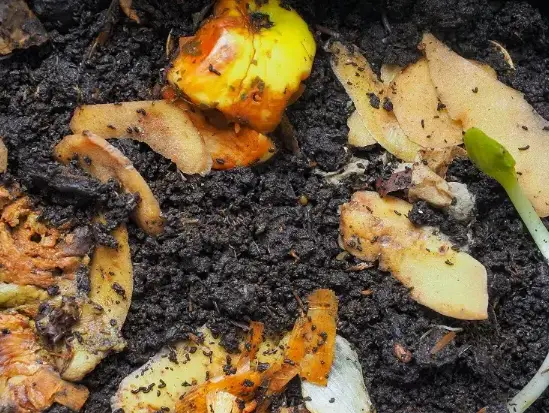
- Homogeneous Texture: Well-prepared compost should have a lumpy, dark brown structure.
- Pleasant Odor: It should emit a pleasant smell of the forest floor, indicating proper decomposition.
- Germination Test: To confirm readiness, perform a germination test by planting watercress or lettuce seeds in a saucer filled with compost. If they sprout and grow well, your compost is ready.
By addressing the causes of excess moisture and following these solutions, you can ensure that your compost remains healthy, balanced, and ready for use in your garden or plant beds.
Show Comments


