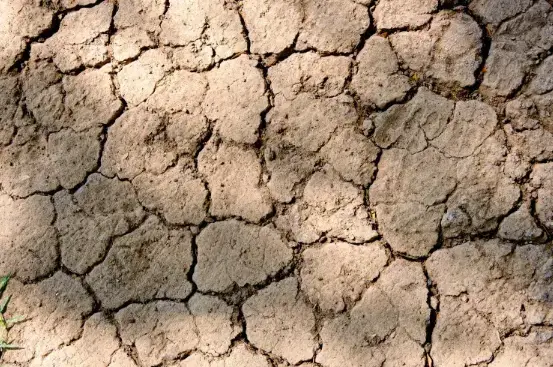
Why is the soil in my garden cracking? What are the practical solutions?

Understanding why your garden soil is cracking is essential for maintaining a healthy garden. Let’s explore the reasons behind this issue and how to address it.
What are the signs of bad soil?

Identifying bad soil is straightforward. Here are some key signs:
- Poor Vegetable Growth: Vegetables struggle to grow properly due to superficial rooting; their roots can’t penetrate deeply.
- Sensitivity to Water: Plants become very sensitive to even slight water shortages because the soil is too dry and hard.
- Compacted Clods: When trying to loosen the soil, you may encounter large clumps that are difficult to break apart.
- Cold Water Saturation: In spring, overly saturated soil with cold water warms slowly, becoming sticky and difficult to work.
- Gray or Red Areas: These indicate lack of air, further complicating soil health.
- Absence of Earthworms: The lack of these beneficial organisms suggests poor soil quality.
Why is the soil in my garden cracking?

Cracking soil is often linked to the characteristics of clay soils, which consist of tiny particles that form stable bonds when moistened. However, these same properties can cause problems:
- Moisture Retention: Moist clay soil prevents water from penetrating deeper layers, leading to rapid evaporation from the surface.
- Formation of Cracks: As the soil dries, the bonds between particles break, resulting in cracks on the surface. This phenomenon is exacerbated by high clay content, especially after watering.
To improve cracked loamy soil, it is vital to enrich it with fertile material to enhance its nutritional value and composition.
What solutions?

Fortunately, there are several effective solutions to remedy cracked soil:
- Organic Additions: At the end of spring, consider adding:
- Mown Hay
- Dead Leaves
- Straw
- Rotten Sawdust
- Manure Mixture: Combine manure with hay in equal proportions. Apply about 7 liters of this mixture for each square meter during autumn digging, to a depth of at least 30 cm. This method has proven effective and delivers results in a few weeks.
- Improving Aeration: Create a mixture of crushed stones and brick crumbs to enhance soil aeration. For instance, mix 30% brick crumbs with 70% compost. Apply approximately 7 kg of this mixture for each square meter of clay soil. Patience is key; it may take 2 to 3 applications to achieve the desired results.
By implementing these strategies, you can improve the fertility and quality of your garden soil, ensuring a thriving growing environment!


