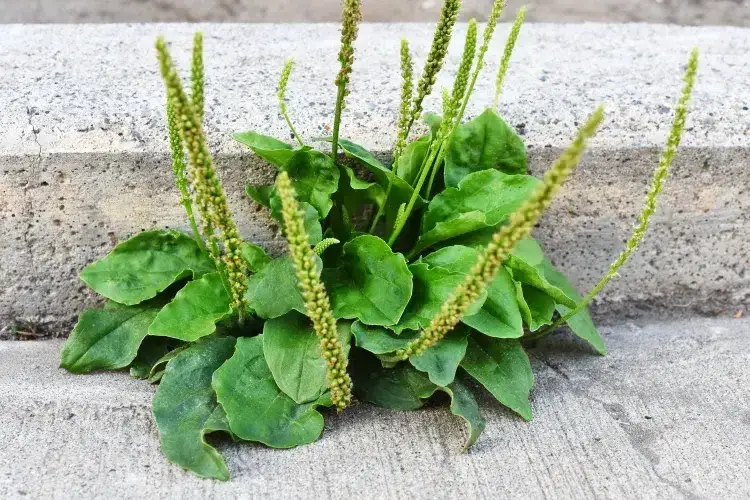

Plantain, often regarded as a weed, is actually a versatile and beneficial plant. While many people consider it a nuisance in their gardens, plantain (Plantago major or Plantago lanceolata) offers a range of advantages that make it worth cultivating intentionally. From its medicinal properties to its culinary uses, understanding how to grow and utilize plantain can transform this common “weed” into a valuable asset in your garden.
1. Why Plantain is Worth Growing

Nutritional and Medicinal Benefits:
- Nutritional Value: Plantain leaves are rich in vitamins A, B1, B2, and C, as well as essential minerals like iron, calcium, phosphorus, and magnesium. These nutrients support overall health, including hemoglobin production and muscle function.
- Medicinal Uses: Plantain has been used in traditional medicine for its anti-inflammatory and antimicrobial properties. It can aid in treating coughs, wounds, insect bites, and digestive issues.

Environmental Benefits:
- Soil Improvement: Plantain thrives in a variety of soil conditions, including compacted and poor soils, making it a good choice for improving soil structure and preventing erosion.
- Pollinator Support: The plant’s flower spikes attract beneficial insects, including pollinators, which can enhance biodiversity in your garden.
Sustainable and Low Maintenance:
- Easy to Grow: Plantain is hardy and requires minimal care, thriving even in less-than-ideal conditions. It’s also resistant to pests, reducing the need for chemical treatments.
- Self-Seeding: The plant readily self-seeds, meaning once established, it will continue to grow year after year with little effort.
2. How to Plant Plantain

1. Choosing the Right Location:
- Site Selection: Plantain prefers a sunny or partially shaded area. It can grow in various soil types but thrives best in dense, compacted, and well-draining soil.
- Soil Preparation: Although plantain is not picky about soil, ensuring good drainage and avoiding overly wet conditions will help it flourish. No additional fertilizer is typically needed.
2. Planting Process:
- Harvesting Seeds: Wait for the plant’s flower spikes to dry and collect the seeds. Plant these seeds in spring to establish your crop.
- Sowing Seeds: Scatter the seeds on the soil surface and lightly cover them. Keep the soil moist until germination occurs.
3. Growing and Maintenance:
- Watering: Regular watering is important, especially in dry conditions. Ensure the soil remains moist but not waterlogged.
- Weeding and Harvesting: Although plantain is hardy, it can be overtaken by other weeds. Hand-pull any competing weeds to prevent overcrowding. Harvest young leaves for culinary use and remove any old or damaged foliage.
3. Harvesting and Using Plantain

1. Growth Timeline:
- Maturity: Plantain leaves can be harvested about 4-5 months after planting. Young leaves are tender and ideal for salads, soups, and stews.
- Continuous Harvesting: Since plantain is a perennial, it will continue to grow and produce leaves throughout the growing season. You can harvest leaves from May to September.
2. Culinary Uses:
- Edible Parts: All parts of the plant are edible. Young leaves can be used fresh in salads, while older leaves are better cooked.
- Preparation: Use plantain leaves in various dishes, or make herbal teas and tinctures from the leaves for their medicinal benefits.
3. Long-Term Care:
- Perennial Growth: Plantain will return each year. You can either manage its spread by controlling seeding or allow it to naturalize in your garden.
By incorporating plantain into your garden, you can enjoy its many benefits and add a unique, practical element to your landscape. Its resilience, nutritional value, and minimal care requirements make it an excellent choice for both new and experienced gardeners.


