
Never throw away wood ashes from your fireplace again! As temperatures drop, you likely have plenty of this valuable substance. But why put ashes in the garden? What are its benefits? When, where, and how should you use it? The Deavita team of gardeners answers all your questions!
Why Put Ashes in the Garden? Should It Be Done?
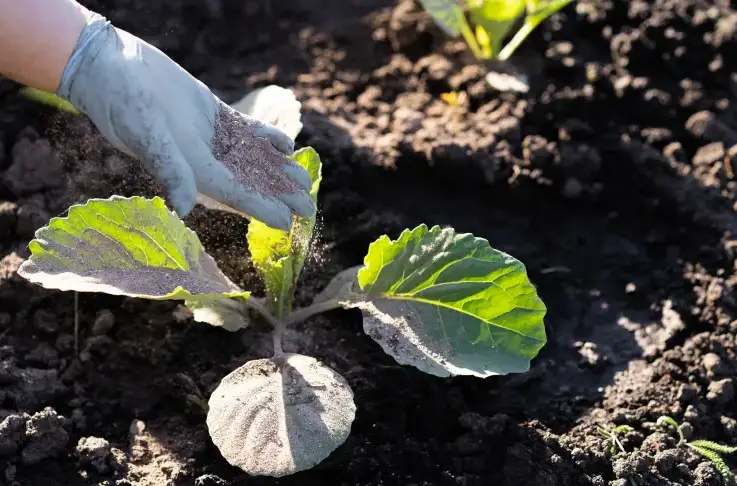
Short answer – yes, definitely! Ashes contain essential nutrients for plants, such as calcium, potassium, magnesium, phosphorus, and sulfur. Here are the key benefits and uses:
Is It Good for the Soil?

Reduce Soil Acidity: Wood ashes are commonly used to reduce the acidity of very acidic soils (pH of 5.5 or less). This improves the soil’s nutritional value and increases productivity. Apply ash directly to the ground at the end of winter in quantities of 50-70 g per square meter.
Wood Ash in the Vegetable Garden
Prevent Diseases: Ash can help avoid clubroot in cruciferous plants.
Suitable Plants: Use ash for onions, garlic, cabbage, asparagus, tomatoes, citrus fruits, hydrangeas, roses, and lavender.
Caution: Test soil alkalinity first. Avoid using ash for peppers, eggplants, potatoes, sweet potatoes, rhubarb, apple, pear, peach trees, berry plants, azaleas, and rhododendrons.
It Can Be Added to Compost
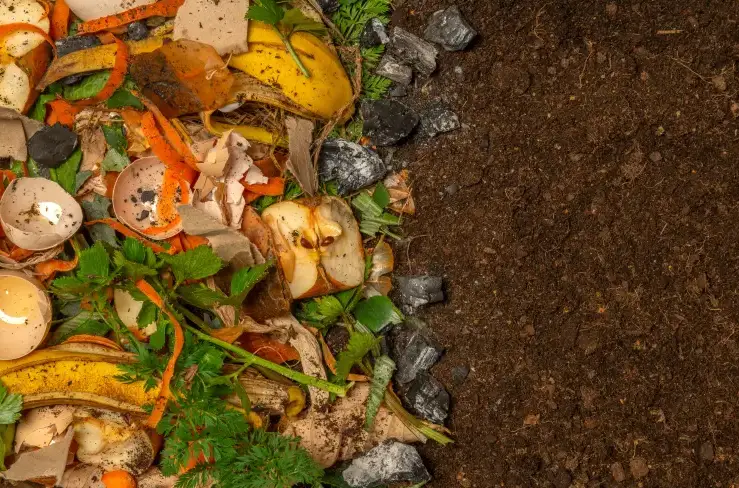
Improve Nutrient Levels: Adding ash to compost boosts potassium and other essential nutrients. Use small amounts to prevent making the compost too alkaline.
Put Ash in the Garden Against Harmful Insects!

Natural Insecticide: Ash acts as an insecticide against snails, slugs, and ants. Sprinkle it around plants and reapply after rain. It can also work as a weedkiller.
Use It as Organic Fertilizer
Nutrient-Rich: Ash contains minerals that act as an organic fertilizer. It includes carbon particles that absorb and retain nutrients and water in the soil.
Caution: Use ash sparingly to avoid making the soil too alkaline.
When and How to Put Ashes in the Garden?

Ideal Time: Apply ash in winter on damp soil, preferably on windless days. Turn the soil to make the nutrients safe before spring planting.
In Compost: Add ash occasionally and in small amounts to compost piles.
Safety: Always wear protective equipment when handling ash.
Additional Uses: Wood ash can also clean your barbecue, melt ice on garden paths, and even be added to chicken coops.
Conclusion
Wood ash has multiple benefits for your garden, from improving soil quality to acting as an organic fertilizer and insecticide. Use it wisely, and your garden will thrive!


