
Tomatoes are a staple in many gardens, providing a delicious and versatile crop. If you’re looking to enhance your tomato plants’ growth, taste, and overall health, you might want to consider using Epsom salt. This common garden ingredient offers several surprising benefits for your tomatoes. Here’s why you should put salt on your tomato plants and how Epsom salt can make a difference.
What is Epsom Salt?
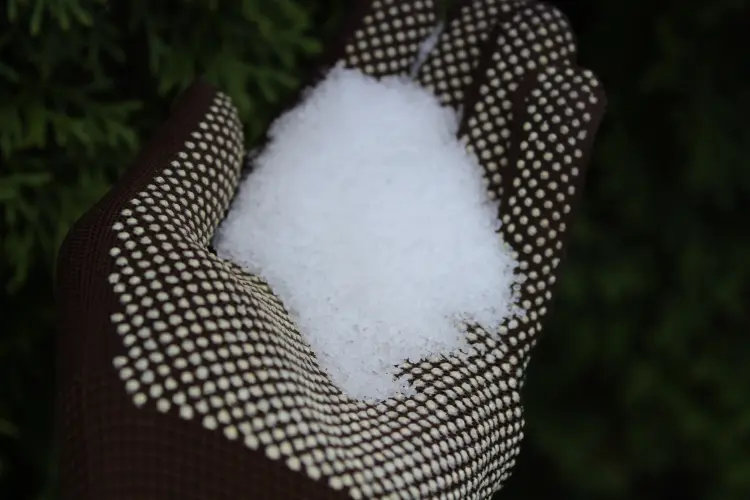
Epsom salt, also known as magnesium sulfate, is a naturally occurring mineral that was first discovered in Epsom, England. Unlike table salt, Epsom salt is not for consumption but serves as a valuable garden supplement. It contains two key nutrients: magnesium and sulfur, both of which are essential for plant health.
1. Magnesium Sulfate May Help Improve the Taste of Tomatoes
One of the primary reasons to use Epsom salt is to enhance the taste of your tomatoes. Magnesium and sulfur are crucial for developing the rich flavors of tomatoes. To use Epsom salt for this purpose:
- Application: Use Epsom salt as a foliar spray or mix it with water to apply directly to the soil.
- Dosage: Add one tablespoon of Epsom salt per foot of plant height, and apply this solution twice a week.
This simple addition can make a noticeable difference in the flavor profile of your homegrown tomatoes.
2. To Fertilize Tomato Plants
Epsom salt acts as a natural fertilizer, providing essential nutrients that might be lacking in your soil:
- Magnesium: This nutrient aids in the absorption of other essential nutrients like phosphorus and nitrogen, promoting overall plant health.
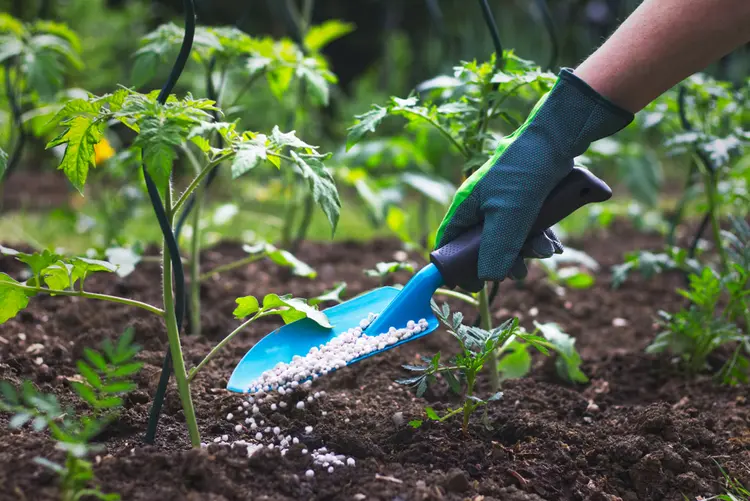
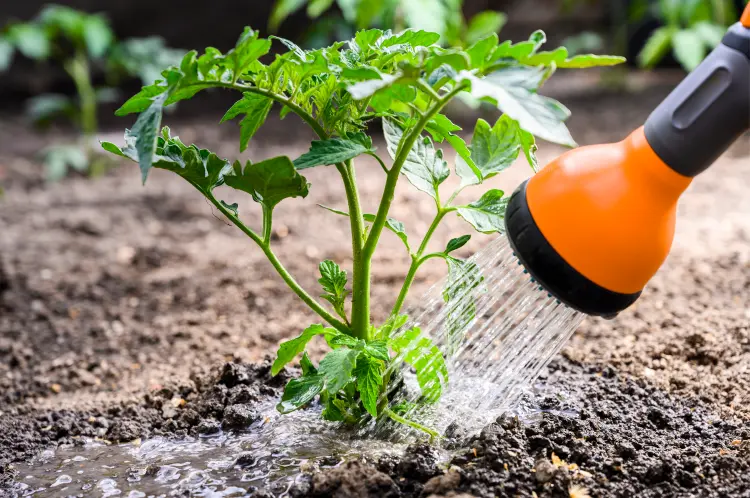
- Application: Test your soil to determine if magnesium is deficient. If needed, incorporate Epsom salt into the soil before planting. You can also dissolve Epsom salt in water to use as a liquid fertilizer throughout the growing season.
By ensuring your plants get the necessary nutrients, Epsom salt helps improve the health and yield of your tomato plants.
3. To Boost Their Growth
Another benefit of Epsom salt is its ability to accelerate growth:
- Magnesium: This element is vital for photosynthesis, the process by which plants produce energy. Without adequate magnesium, plants may exhibit stunted growth and poor fruit production.
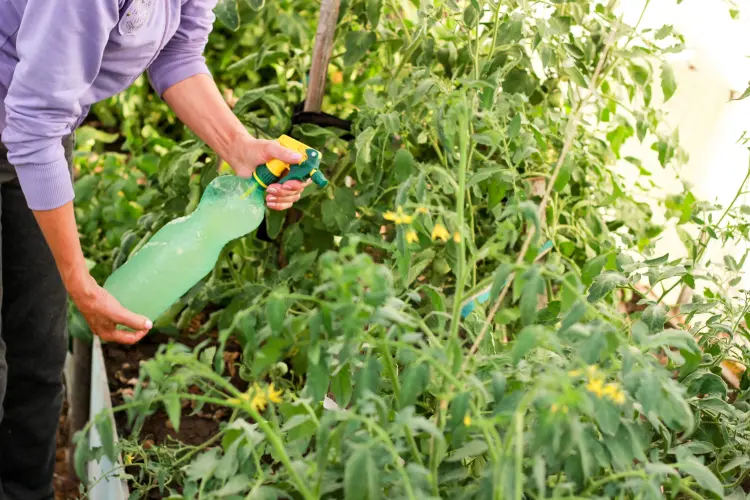
- Application: For plants showing slow growth, apply Epsom salt either as a foliar spray or diluted in watering can. This helps to quickly address magnesium deficiencies and boost plant vigor.
Using Epsom salt can help your tomatoes grow faster and more robustly.
4. To Combat Yellow Leaves on Tomatoes
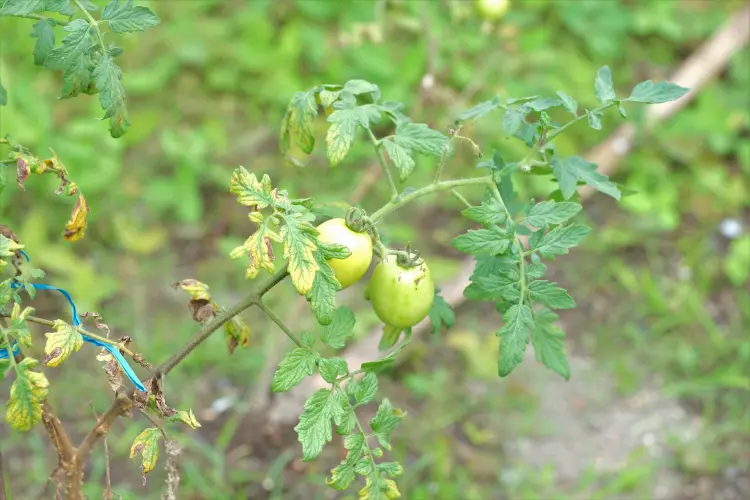
Yellowing leaves can often signal a magnesium deficiency in tomatoes:
- Symptoms: Yellow leaves with green veins typically indicate a lack of magnesium, which impairs the plant’s ability to photosynthesize.
- Treatment: To correct this issue, mix Epsom salt with 3.7 liters of water and spray it on the foliage. Apply the solution after sunset to avoid leaf burn and improve absorption.
Regular application can help restore the green color to your tomato leaves and enhance plant health.
Conclusion
Incorporating Epsom salt into your tomato care routine can lead to improved taste, faster growth, healthier plants, and vibrant green leaves. By understanding and utilizing the benefits of magnesium sulfate, you can enjoy a more bountiful and flavorful tomato harvest. 🌱🍅


