
Tomatoes, known for their rich nutrient demands, are often plagued by pests and fungal diseases. Addressing these issues requires a combination of fertilizers, pesticides, and fungicides. Surprisingly, iodine, a common household substance, can fulfill these needs effectively. Here’s why and how to use iodine on your tomato plants for remarkable results.
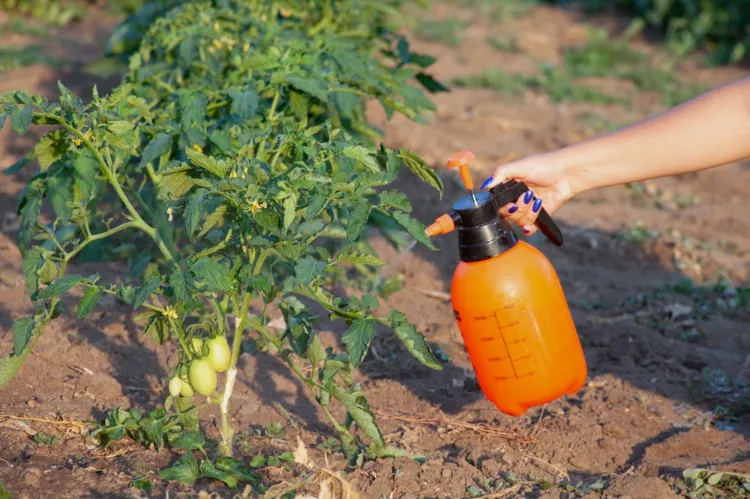
Why Spray Tomatoes with Iodine?
Spraying tomatoes with iodine can offer a range of benefits, acting as a pesticide, fungicide, and growth stimulant. While not universally endorsed by scientific studies, many gardeners, including my family, have found it invaluable. Here’s how iodine can help your tomatoes:
- Stimulating the Growth of Tomatoes:
Iodine is a trace mineral crucial for plant development. When used as a diluted foliar spray, it provides an essential nutrient boost that promotes vigorous growth. Gardeners often notice improvements in the flavor, color, and texture of their tomatoes after iodine treatment. - Fighting Against Fungal Diseases:
Iodine’s antiseptic properties are beneficial for controlling and preventing fungal diseases such as late blight and brown spot. The iodine solution can help manage these common tomato ailments, ensuring healthier plants and better yields. - Keeping Pests Away:
Thanks to its antimicrobial properties, iodine can disrupt the metabolic processes of pests, leading to their demise. This makes it a useful natural pesticide to protect your tomato plants from unwanted insects.
How to Use Iodine on Tomatoes
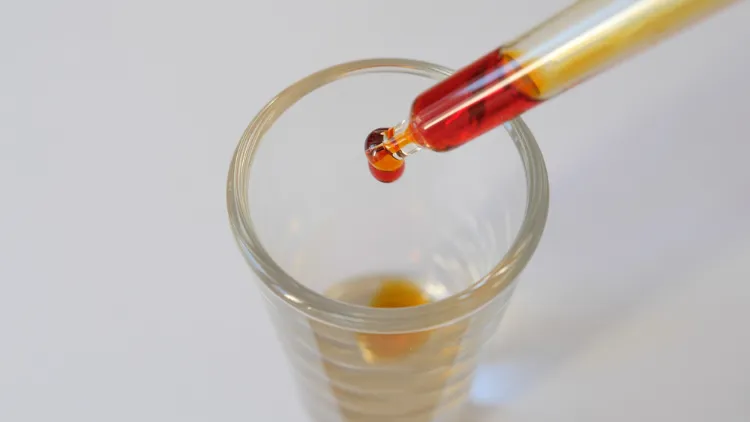
Using iodine effectively requires careful preparation and application. Follow these steps for optimal results:
- Prepare the Solution:
- Mix 10 drops of alcohol-based iodine tincture with 3.8 liters of water. This dilution ensures that the iodine is effective without harming your plants.
- Application:
- Spray the solution onto your tomato plants, covering all the leaves. It’s best to apply it early in the morning or late in the evening to avoid sunburn, which can damage the plants.
- Important Recommendations:
- Use a Diluted Solution: Never apply undiluted iodine directly to tomato plants, as it can cause serious damage. Always test the solution on a single leaf before full application to monitor for any adverse effects.
- Conduct a Leaf Test: Apply the iodine solution to one leaf first and observe for any negative reactions over a few days before treating the entire plant.
- Repeat Application if Necessary: You can reapply the iodine solution every two weeks, but avoid spraying during the flowering or fruiting stages to prevent any potential interference with fruit development.
By incorporating iodine into your tomato care routine, you can enhance plant growth, manage fungal diseases, and repel pests effectively. This simple yet powerful tool can significantly improve your tomato harvest and overall garden health.


