Trees, whether fruit-bearing or ornamental, are vital to our environment. However, when they are pruned, cut, or cracked, they become vulnerable to diseases and pests. Healing these tree wounds is essential to promote quick recovery and protect the tree from potential harm. In this article, we explore homemade tree healing recipes using natural products that are both effective and environmentally friendly.
Why is It Important to Heal Tree Wounds?
When a tree is pruned or cut, the wound creates an opening that can serve as a gateway for harmful pathogens such as fungi or insects. If left untreated, the wound can attract pests like woodpeckers and even threaten the tree’s survival. Natural healing products offer a safe, chemical-free alternative to commercial products, ensuring that the tree heals naturally and without harm to its environment.
Comparison of Natural and Commercial Healing Products
While commercial tree putties often contain harmful chemicals, natural healing products respect the health of your tree and the surrounding ecosystem. Homemade remedies not only protect against infections but also allow the tree to heal naturally, minimizing risks to the environment.
Homemade Tree Healing Recipes
Here are six effective homemade tree healing recipes that are both simple and eco-friendly:
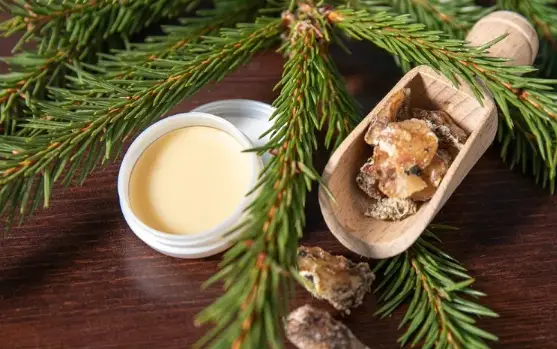
1. Beeswax and Olive Oil
- Ingredients: Beeswax, olive oil (and pine resin if available).
- Method: Melt beeswax in a heatproof bowl, add olive oil and pine resin (if you have it). Create a double boiler and mix until smooth to form a paste.
- Benefits: This mixture provides a protective barrier that helps the tree recover.
2. Wood Ash and Clay
- Ingredients: Recent wood ashes, white or green clay, rainwater.
- Method: Mix the wood ashes with clay and add enough rainwater to form a paste. Apply it directly to the tree wound.
- Benefits: This paste helps prevent infections and speeds up the healing process.
3. Clay and Essential Oil
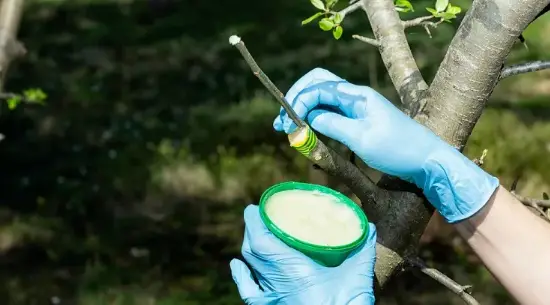
- Ingredients: Clay, water, a few drops of tea tree oil.
- Method: Mix clay with water to create a thick paste. Add a few drops of essential oil (tea tree oil works well due to its antiseptic properties) and apply to the tree wounds.
- Benefits: This remedy provides antiseptic and healing properties to the tree.
4. Mixture Based on Propolis and Wax
- Ingredients: 30g propolis, 70g beeswax, 20ml sweet almond oil.
- Method: Melt the beeswax and propolis, add sweet almond oil, and allow it to cool. Apply a thin layer over the tree wound.
- Benefits: This mixture promotes rapid healing and protects the wound from infections.
5. Garlic and Beeswax Putty
- Ingredients: 2 crushed garlic cloves, 100g beeswax, 20ml olive oil.
- Method: Melt the beeswax in a double boiler, then stir in the garlic and olive oil. Allow it to cool slightly before applying to the wound.
- Benefits: Garlic offers antibacterial benefits, preventing infections and nourishing plant tissues.
6. Making Wood Tar
- Ingredients: Pine wood, a metal container, and a fire.
- Method: Cut pine wood into small pieces and place them in a metal container. Light a fire around the container to melt the resin, which will drip out as tar. Collect the tar in a jar.
- Benefits: Wood tar is a natural antiseptic that can help heal deep wounds.
How to Use a Tree Healer
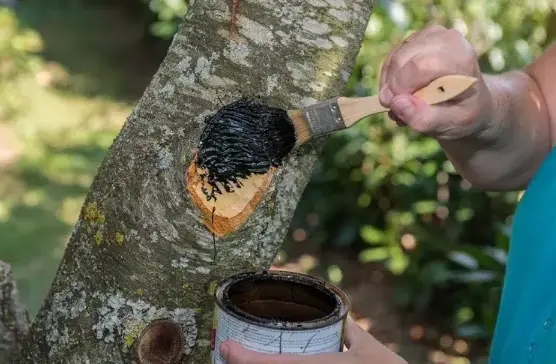
Step 1: Clean the Wound
Before applying any healing agent, clean the wound by removing any wood debris or sawdust. Use a clean blade to smooth the edges to facilitate the healing process.
Step 2: Prepare the Area
Avoid applying the healing paste in wet weather. Ensure that the wound is dry for better adhesion.
Step 3: Apply the Healing Paste
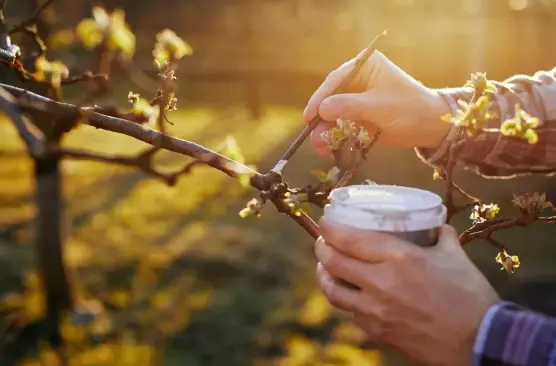
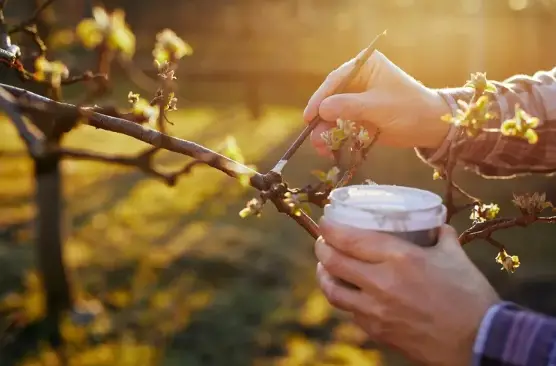
Using a spatula, apply the paste generously to the wound, covering the entire exposed surface to create a protective barrier.
Step 4: Protect the Wound
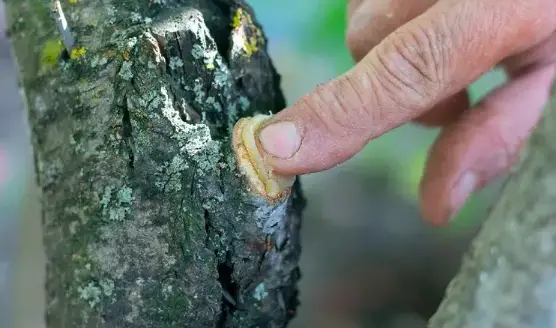
If the wound is large, wrap it with cloth or biodegradable tape to hold the paste in place, especially in windy weather.
When to Use Homemade Tree Healers
Homemade tree healing agents are ideal for young trees or trees sensitive to chemicals. These remedies are especially useful after formative pruning or when a tree has experienced an accident, like a broken branch. However, for deep or gangrenous wounds, it is best to consult a professional arborist.
Conclusion
Making your own natural tree wound healer is simple and beneficial for both the health of your trees and the environment. By using ingredients such as clay, propolis, and beeswax, you provide your trees with effective protection while respecting nature. Adopt these eco-friendly practices to promote healthy trees and a thriving garden.