Vipers, known as the most dangerous snakes in France, are fascinating creatures to study. Have you ever wondered about their reproduction? Do they lay eggs? How do they give birth? Here’s everything you need to know about these venomous snakes, which you might encounter even in your own garden!
How to Recognize a Viper
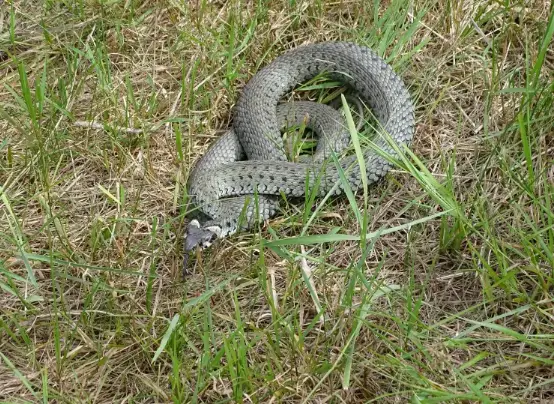
Before diving into their reproduction, it’s essential to differentiate vipers from other snakes. Vipers are the only venomous snakes in metropolitan France, making them particularly notable.
Identifying Features
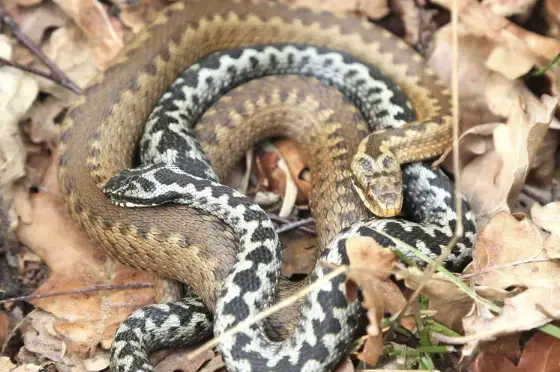
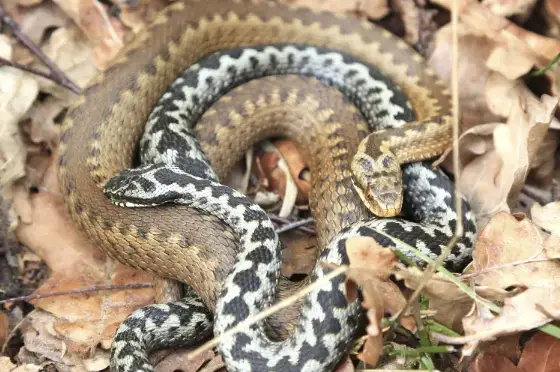
- Color: Males are typically silvery gray, while females can range from brown to copper.
- Pattern: All vipers exhibit a distinctive black zigzag pattern on their backs.
- Size: Adults can reach lengths of 60 to 80 cm.
What Is the Difference Between a Snake and a Viper?
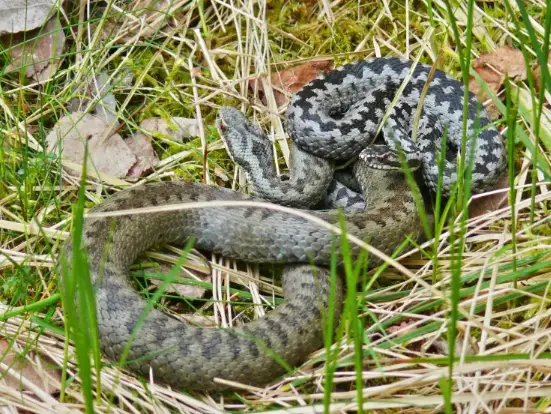
While vipers are snakes, they can be distinguished from grass snakes by their larger, wider heads and the absence of the zigzag pattern in grass snakes, which are usually green-gray with black stripes. Remember, grass snakes are not venomous.
How Do Vipers Reproduce?
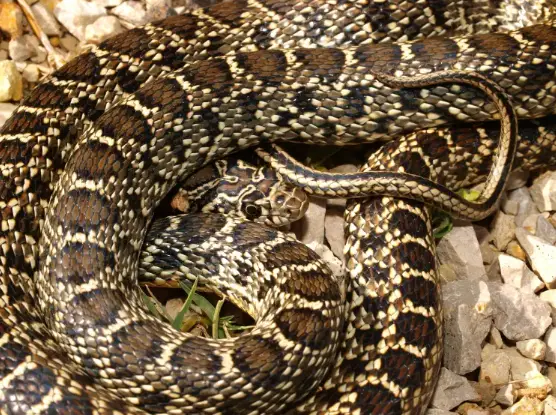
Vipers have an intriguing mating process that typically occurs in spring to early summer. Here’s how it unfolds:
- Mating Behavior: Males can travel long distances to track the scent of females. If two males encounter each other, they may engage in a fight by raising their heads and trying to knock each other down. The loser must seek another mate.
- Mating Duration: After mating, the pair remains together for a few days.
Birth Process
Vipers do not lay eggs; instead, they give birth to live young. After a gestation of 3 to 4 months, a female viper can give birth to between 3 and 20 young snakes, which emerge from a thin, transparent sac. The young stay close to their mother initially but begin hunting insects, spiders, and worms almost immediately. Vipers typically have a lifespan of up to 10 years.
What Eats Vipers? What Attracts Them to Our Gardens?
You may find vipers in your garden, primarily attracted by the availability of shelter and food.
Diet
Vipers have a varied diet that includes:
- Insects
- Centipedes
- Small birds
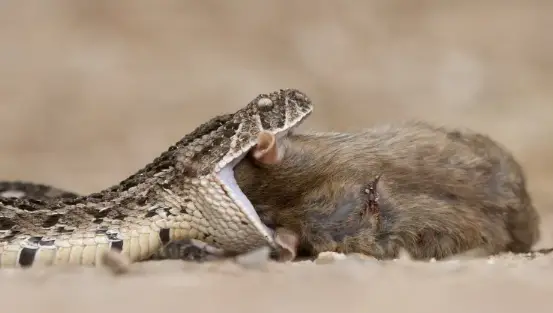
- Rats and mice
- Fish
- Other reptiles
When hunting, vipers remain motionless for extended periods to ambush their prey, injecting venom to immobilize it.
Garden Habitat
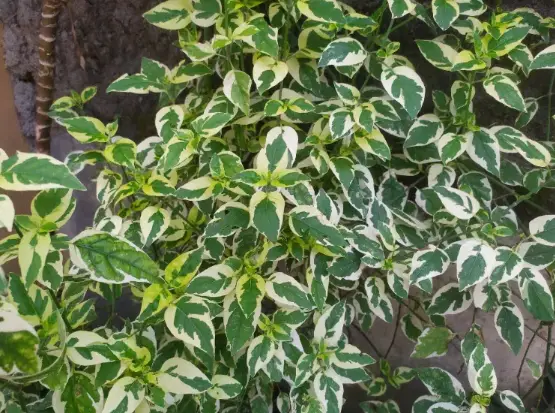
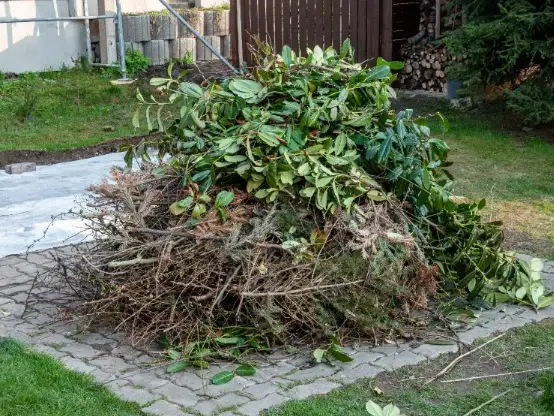
Tall vegetation can provide excellent hiding spots for vipers, making gardens with dense plant life appealing to them.
Now you’re equipped with all the knowledge about how vipers reproduce and their presence in gardens!