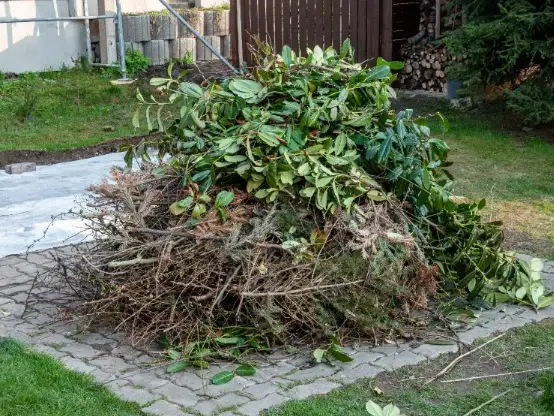
Want to know how to improve soil structure? To start, it’s important to understand that soil is formed through the alteration of bedrock via various physical, chemical, and biological processes influenced by the atmosphere and living organisms. This lengthy process takes about 500 years to create just 5 cm of soil! Let’s delve deeper into this topic.

Key Points Summary
- Different soil types matter.
- Possible mineral amendments based on soil type.
- Possible organic amendments according to soil type.
Understanding Soil Types
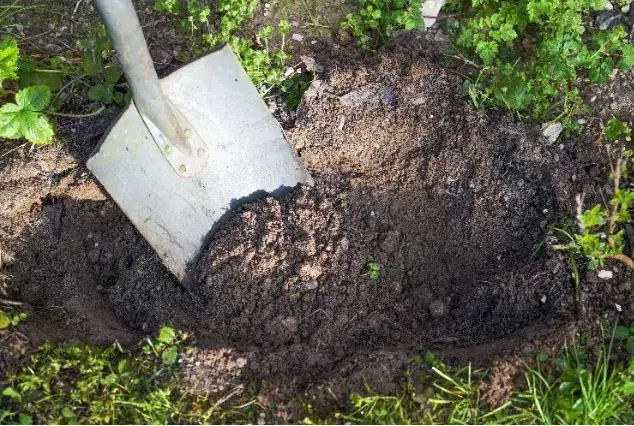
Soils vary significantly, influenced by the nature of the bedrock, plant cover, and especially the climate. Here are the primary types of soil:
Clay Soils
- Characteristics: Heavy, compact, and sticky when wet; hard and cracked when dry.
- Advantages: Retains nutrients and moisture well.
- Disadvantages: Prone to waterlogging, making them difficult to work with; can hinder water, air, and root circulation.
Silty Soils
- Characteristics: Fertile, soft texture, and powdery when dry.
- Disadvantages: Compacts easily and can form a crust from rain and watering.
Sandy Soils
- Characteristics: Light and granular, easy to work with.
- Advantages: Highly permeable to water and air, never waterlogged.
- Disadvantages: Retain little water and nutrients, easily leached during rain.
Calcareous Soils
- Characteristics: Whitish, chalky, and dry out quickly in summer.
Humus Soils
- Characteristics: Dark, rich in humus, spongy, and light.
- Advantages: Excellent water retention and easy to work with.
Mineral Amendments
Here are some mineral amendments tailored to your soil’s needs:
- Gradually add lime to neutralize acidity.
- Incorporate sand (at least 3/4 mm) to alleviate the sticky texture of clay soils.
- Use vermiculite to lighten the soil.
- Add wood ash for potassium, phosphorus, and iron, which enhance soil quality.
Using Organic Amendments
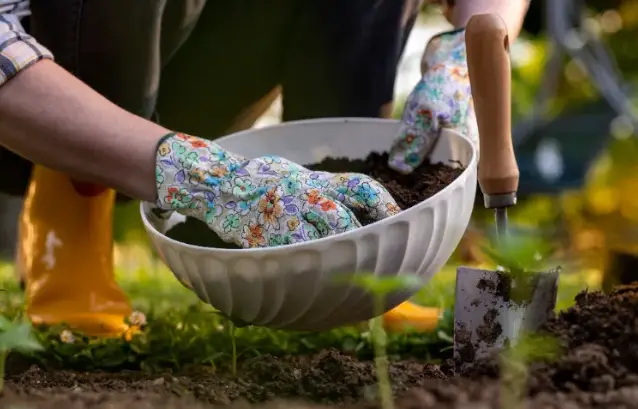
Organic amendments result from the decomposition of plants or animal manure. They can significantly improve the structure of heavy or clayey soils and are beneficial in summer, helping plants withstand heat by absorbing moisture. Here are some effective organic options:
- Manure (horse, donkey, sheep, poultry, goat) for heavy soils.
- Cattle manure for light soils.
- Compost made from decomposed leaves to enrich soil nutrients.
- Blond peat, which decomposes slowly, sustainably structuring heavy soil while enhancing water retention.
By choosing the right amendments—whether mineral or organic—you can significantly enhance your soil structure and overall garden health!