Reviving a Dipladenia: Expert Tips for a Lush and Vibrant Bloom
Has your tropical dipladenia started to wither, and you’re unsure how to bring it back to life? Wondering when to prune or what type of fertilizer your dipladenia needs? Don’t worry! Our expert editorial team has gathered all the essential advice you need to revive a dipladenia and keep it flourishing year-round.
How to Revive a Dipladenia?
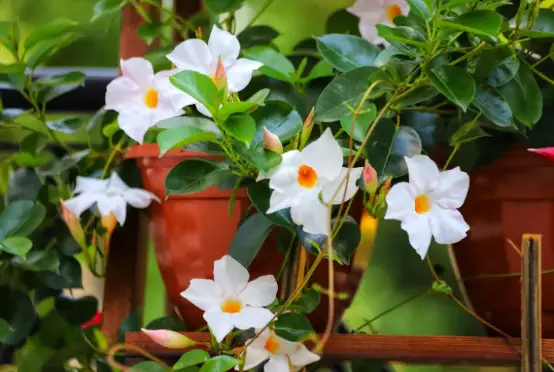
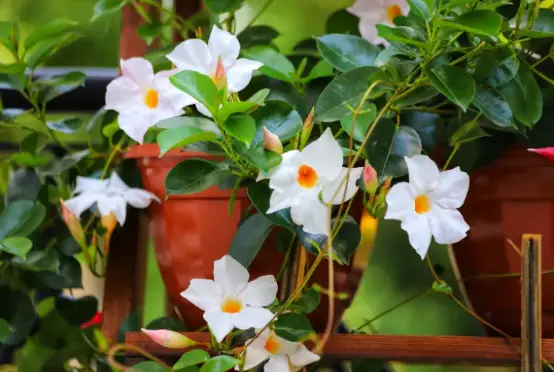
Dipladenia is a stunning tropical plant known for its cascading blooms in shades like candy pink, blood red, royal purple, or soft white. It thrives in hanging baskets, trellises, and balconies, and can even grow up to 10 meters tall. While the plant dazzles with its beauty, it’s important to know how to care for it, especially when it starts to lose its vitality.
Here’s how to help your dipladenia come back to life:
1. Remove Faded Flowers
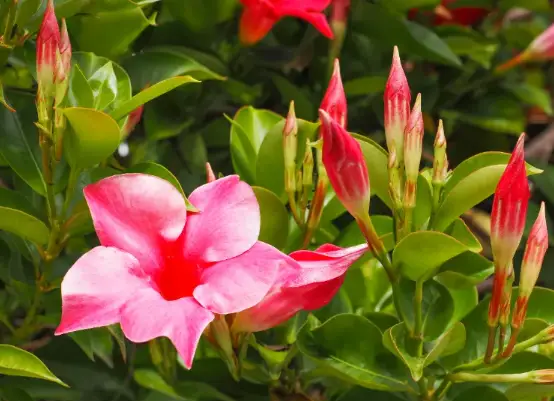
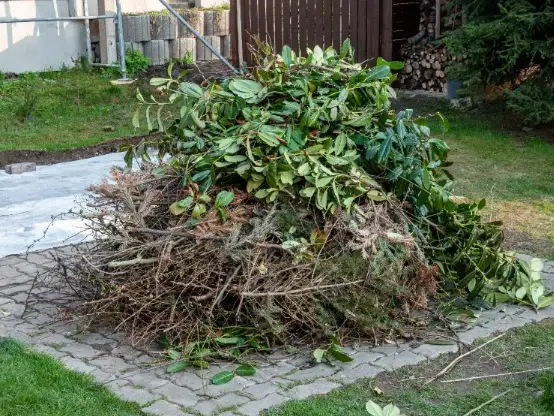
To encourage fresh growth and vibrant flowers, remove faded flowers regularly. This helps the plant focus its energy on new blooms rather than spent ones. Seasonal pruning is also crucial for keeping your dipladenia healthy. Prune in early spring using disinfected and sharp scissors for clean cuts. If your plant shows signs of frost damage or has an unbalanced shape, consider pruning it back more severely to promote rejuvenation.
2. Abundant Watering in Spring and Summer
Dipladenias, also known as Brazilian pearls, require more frequent watering during the warmer months. In spring and summer, water your plant abundantly—ideally two to three times a week with rainwater or water that is low in calcium to prevent root suffocation. If the weather is hot and dry, increase watering to daily to ensure the plant remains hydrated and continues to bloom beautifully.
3. Use Enriched Soils
For a lush, healthy plant, the quality of your soil is crucial. Nutrient-rich soil with good water retention capacity will provide the best growing conditions. Consider using fertilizer every two weeks, particularly a slow-release type to promote flowering. As summer progresses, reduce the amount of fertilizer to help the plant gradually prepare for winter dormancy. For the best results, use a fertilizer high in nitrogen, phosphorus, and potassium—this is particularly effective for promoting vibrant blooms.
4. Reviving the Flower After Winter
When winter ends, your dipladenia will need some extra care to recover from the cold. If the plant has been kept in a pot or planted in the ground, it’s time to give it some attention:
- Remove stagnant water from the saucer, as this can harm the roots.
- Mulch the base of the plant with crushed horn and dried blood for an extra boost of nutrients.
- For indoor plants, repot by removing the root ball and placing it in a larger pot with well-draining soil, such as a compost mix or sand.
- Once the plant is repotted, water it abundantly and gradually expose it to more sunlight to encourage healthy growth.
With these steps, your dipladenia will regain its vibrancy and bloom beautifully throughout the year. Pruning, watering, and feeding the plant at the right times are the secrets to success in reviving this tropical beauty!