The sansevieria, commonly known as the snake plant, is a popular indoor plant admired for its striking vertical foliage and ease of care. While it thrives in various home settings, you might wonder: can this remarkable plant actually bloom? And if so, how can you encourage it to do so?
Key Points
- Believe it or not, sansevieria can flower, but it happens very rarely.
- Older plants are more likely to produce flowers.
- Some varieties do not flower at all.
- Adjusting care routines can help trigger flowering.
Can Snake Plant Flower?
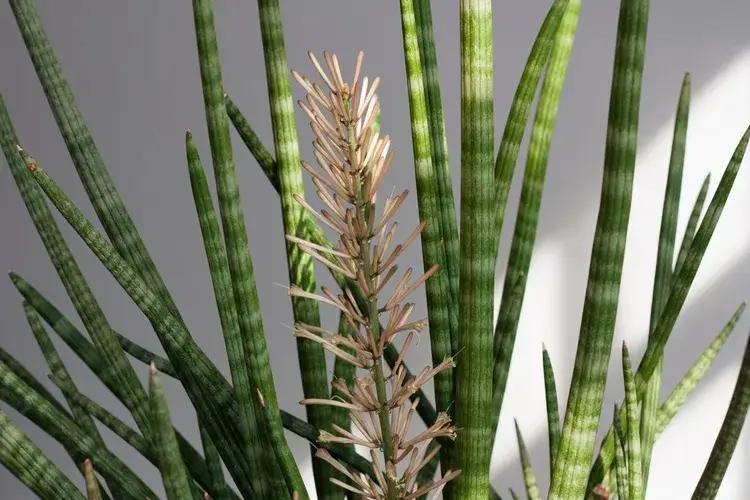
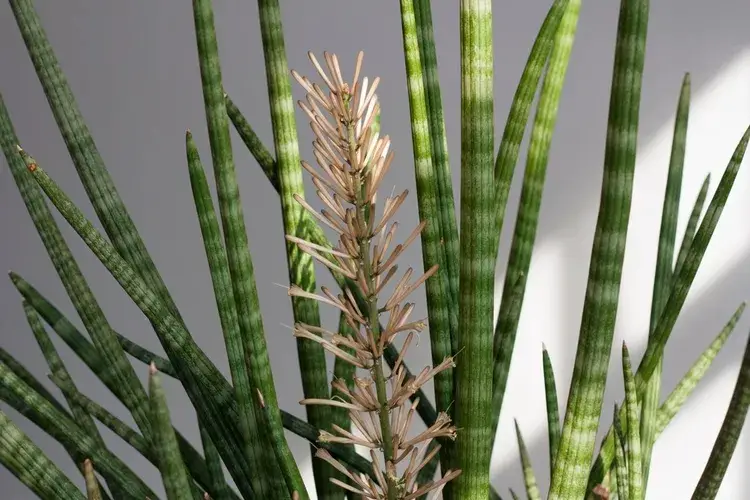
Some varieties of sansevieria indeed produce beautiful, fragrant flowers. Flowering typically occurs once a year, usually in spring or summer, but it is a rare event that requires years of care. Younger plants are less likely to bloom. The flowers, which can be yellow-green or white, resemble honeysuckle inflorescences and are clustered together. Their delightful scent intensifies at night when the flowers open, adding a lovely vanilla aroma to your home.
To encourage your snake plant to bloom, specific conditions must be met. The genus Sansevieria includes about sixty species, with some lacking the ability to flower. Notable blooming varieties include:
- Dracaena trifasciata
- Dracaena gracilis
- Dracaena longiflora
- Dracaena patens
- Dracaena cylindrica
- Sansevieria zeylanica
How to Make a Sansevieria Bloom?
There are key maintenance steps to follow for encouraging flowering in this low-maintenance plant. Here’s what you need to do:
1. Provide the Plant with Enough Light
While sansevieria can tolerate low light, it requires up to six hours of indirect light daily to promote growth and flowering. Position the pot near a well-lit window, or take it outside from May to September (avoiding cool nights). If these options aren’t feasible, consider using grow lights.
2. Make Fertilizer Contributions
Fertilization is crucial for healthy growth and flowering. Begin fertilizing in early spring when the plant starts to grow, doing so every three weeks. Use a fertilizer designed for green plants or cacti, and always follow the manufacturer’s instructions. Cease feeding in fall and winter, as the sansevieria enters a dormant phase.
3. Be Careful with Watering!
Sansevieria is a drought-tolerant plant, making it ideal for those without a green thumb. Overwatering can lead to root rot, which inhibits flowering. Allow the surface of the soil to dry out before watering again, typically once a week. Water around the collar of the plant, ensuring it doesn’t get wet, and let excess water drain.
Reminder: During winter, reduce watering significantly since the plant is resting. Ensure the soil dries out deeply before the next watering.
Final Note
Remember, young sansevierias will not flower, and stressing them can harm their health. Allow your plant to mature at its own pace before trying to force it to bloom. With the right care, you may one day be rewarded with the beautiful and fragrant flowers of your sansevieria!