Have you ever wondered what attracts locusts to your garden? What kind of damage do these flying insects cause? Are they a threat to your crops? Here’s a comprehensive guide on how to keep them away!

What Attracts Locusts to the Garden?
Locusts, while often seen as harmless, can become a nuisance in your vegetable garden. They are drawn to your garden for several reasons:
- Food Sources: Locusts are omnivores and are attracted to plants, insects, and compost.
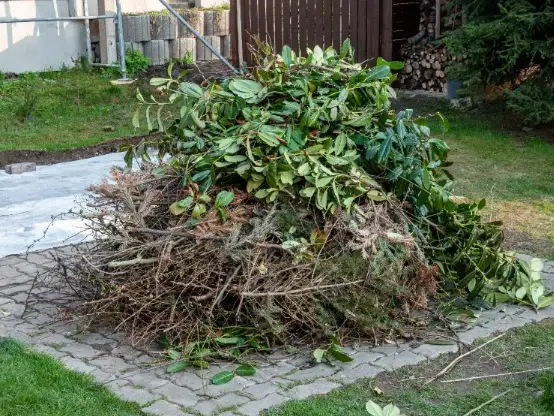
- Shelter: They seek protection from predators. Piles of leaves, wood, and debris, as well as tall, untended grass, provide excellent hiding spots.
- Moisture: These insects prefer damp soil, so if your garden is moist, it can attract them.
- Light and Warmth: The light and warmth of spring encourage male locusts to settle in search of females.
What Damage Do Locusts Cause?
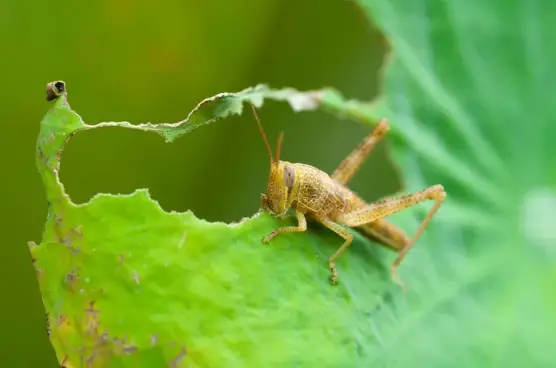
While generally not dangerous to humans or pets, locusts can cause significant damage to your crops, especially during a large invasion. They feed on:
- Leaves and Roots: This can lead to the destruction of your harvest.
- Ornamental Plants: They can also damage your decorative plants.
- Soil: By digging tunnels, locusts can disturb the soil structure.
How to Get Rid of Locusts in the Garden?

If you’ve noticed locusts in your garden and want to repel them, here are five natural and effective methods:
- Make a Trap with Molasses:
- Fill the bottom of glass jars with molasses and place them around the garden. The sweet, sticky substance attracts locusts, which get trapped inside.
- Diatomaceous Earth:
- Sprinkle diatomaceous earth around areas frequented by locusts. This powder dehydrates them through their exoskeleton, encouraging them to leave your garden.
- Essential Oils:
- Locusts dislike the strong scents of essential oils. Use peppermint, clove, lemongrass, lavender, or rosemary oils. Soak cotton balls in your chosen oil and place them around the garden.
- Caring for the Lawn:
- Regularly mow your lawn and remove debris to reduce hiding spots for locusts. Keeping your grass trimmed helps deter them.
- Limit Access to Food and Water:
- Prevent locusts from accessing food and water sources by applying diatomaceous earth around your vegetable areas. Consider using insect netting for added protection.
By understanding what attracts locusts and employing these strategies, you can protect your garden and ensure your crops remain healthy and thriving!
Show Comments