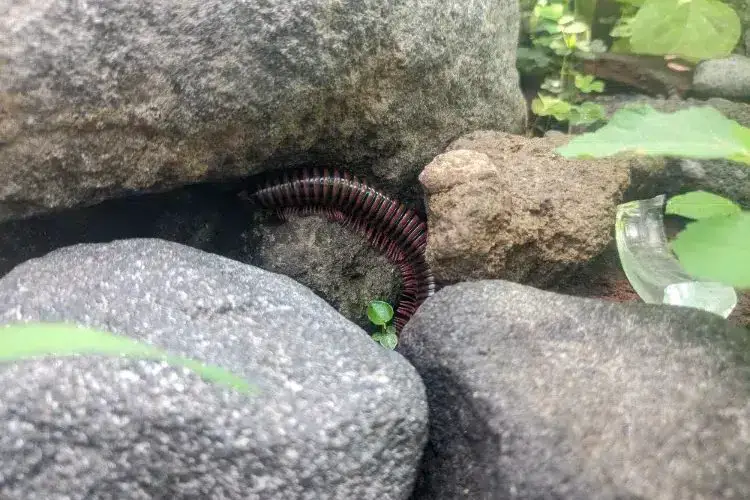
Insects and other terrestrial crustaceans find refuge under rocks and in dry stone walls for a variety of reasons. These sheltered spots offer stability in temperature, protection from predators, and a consistent humidity level, which are crucial for their survival. Here’s a comprehensive guide to the insects and other critters you might find living under stones in your garden:
1. The Woodlouse
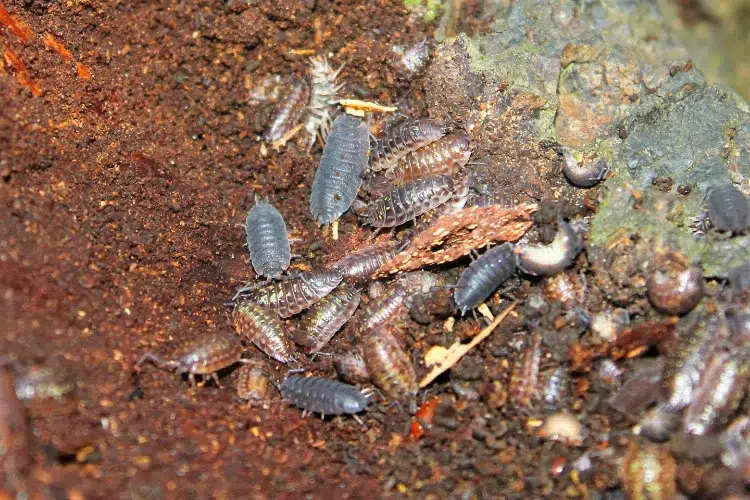
Description:
- Appearance: Woodlice (or pill bugs) are small, crustacean-like creatures with a segmented, armor-like exoskeleton. They can roll into a ball as a defense mechanism.
- Habitat: Prefers dark, moist environments such as under stones, in decaying wood, or beneath leaf litter.
- Role: They play a vital role in decomposition, feeding on dead organic matter like leaves, fungi, and rotting wood, thus helping break down and recycle nutrients in the soil.
- Care Needs: Woodlice thrive in environments with high humidity and shelter from direct sunlight. They need moisture to prevent their exoskeleton from drying out.
2. Red Ants
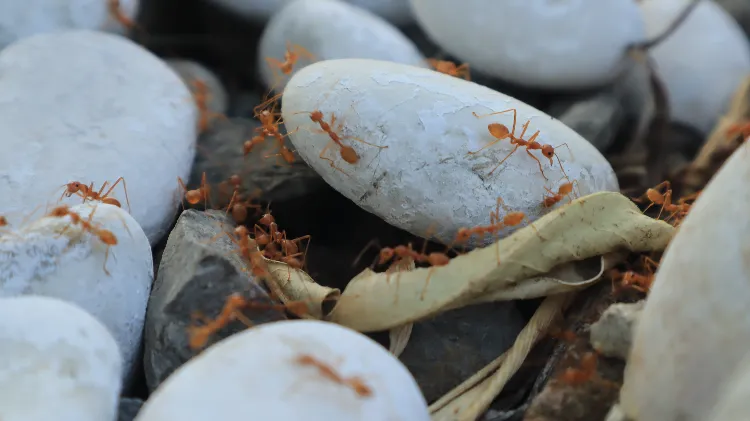
Description:
- Appearance: Red ants, also known as Myrmica, are small, aggressive ants that are usually red or reddish-brown.
- Habitat: They are often found under stones, in soil, or in decaying wood. They prefer damp environments and can be seen in gardens, forests, and grassy areas.
- Role: Red ants are social insects that live in colonies and feed primarily on other insects. They play a role in pest control and soil aeration.
- Behavior: They are known for their aggressive behavior and sting, which can be painful. The colony is centered around a queen who lays eggs and is cared for by worker ants.
3. Centipedes
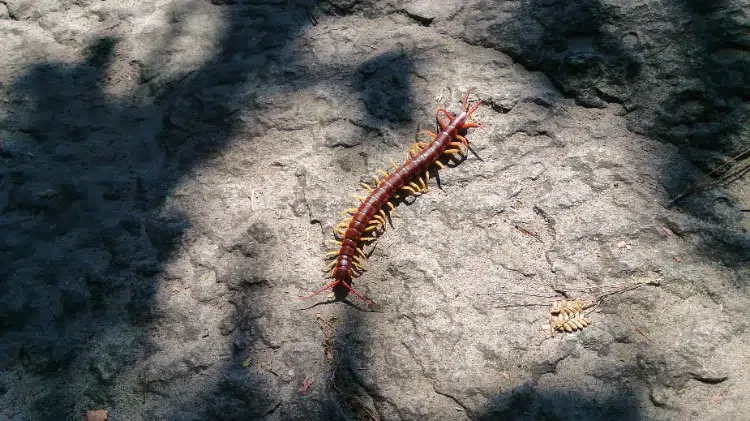
Description:
- Appearance: Centipedes have long, segmented bodies with one pair of legs per segment. They are fast-moving predators.
- Habitat: They are commonly found under stones, logs, or in damp soil. They seek out dark, moist environments.
- Role: Centipedes are predators that feed on insects and other small invertebrates. They help control pest populations in the garden.
- Behavior: Centipedes are nocturnal and have venomous bites that can immobilize their prey. They are generally not harmful to humans but can cause minor irritation if they bite.
4. Millipedes
Description:
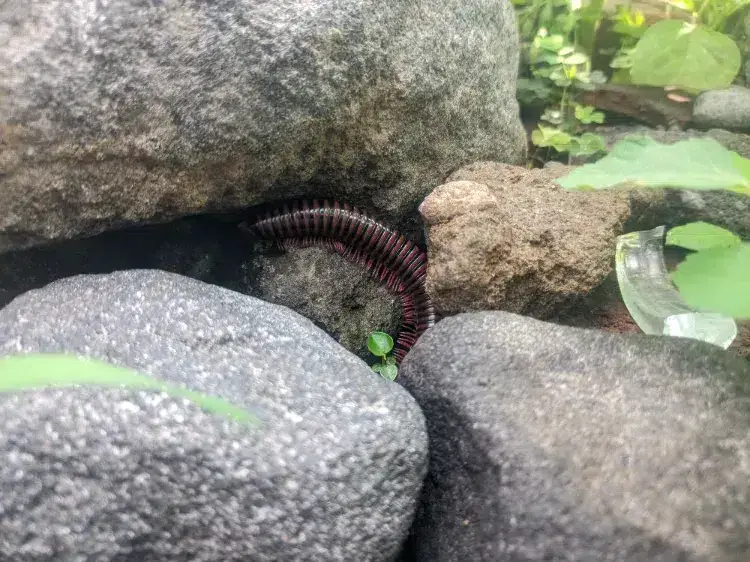
- Appearance: Millipedes are long, cylindrical arthropods with two pairs of legs per body segment. They have a more rounded body compared to centipedes.
- Habitat: They are often found under rocks, in piles of dead leaves, or in decaying wood. They prefer moist, dark environments.
- Role: Millipedes contribute to the decomposition of organic matter by feeding on decaying plant material. They help recycle nutrients back into the soil.
- Behavior: When threatened, millipedes can curl into a spiral and secrete a repellent substance to deter predators. This secretion can sometimes cause mild skin irritation.
5. Silverfish
Description:
- Appearance: Silverfish are small, wingless insects with a silvery-gray appearance and a fish-like shape. They have long, bristly tails.
- Habitat: They thrive in dark, damp environments such as under stones, in basements, or in bathrooms.
- Role: Silverfish feed on a variety of materials including paper, starches, and other organic substances. They can sometimes cause damage to books, wallpaper, and other items.
- Behavior: Silverfish are nocturnal and move quickly. They are not harmful to humans but can be a nuisance due to their feeding habits.
Additional Notes
- Dry Stone Walls: In addition to loose rocks, dry stone walls provide excellent shelter for many of these insects. The gaps between stones offer both hiding places and access to food sources.
- Maintenance: If you notice a large number of insects under stones in your garden, ensure that the area is not excessively damp or accumulating decomposing matter, which might attract more pests.
Understanding these critters and their roles can help you maintain a balanced garden ecosystem while addressing any issues that arise from their presence.
Show Comments