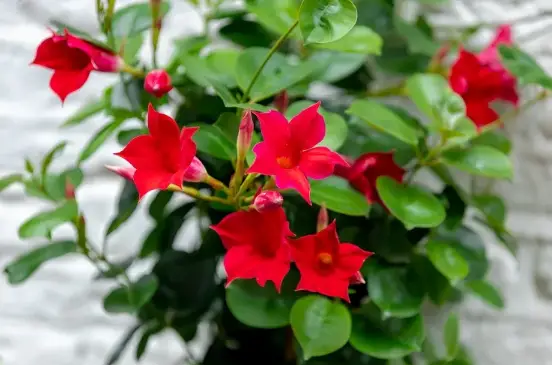
Dipladenia, also known as Brazilian jasmine or Mandevilla, is a stunning vine cherished for its colorful flowers. However, it’s susceptible to cold temperatures, requiring special care during winter. Here’s how to ensure your Dipladenia thrives even in chilly weather:
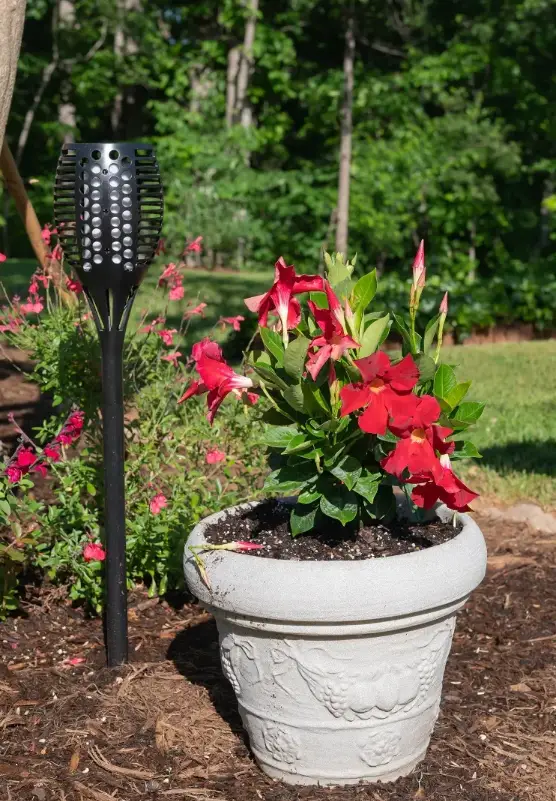
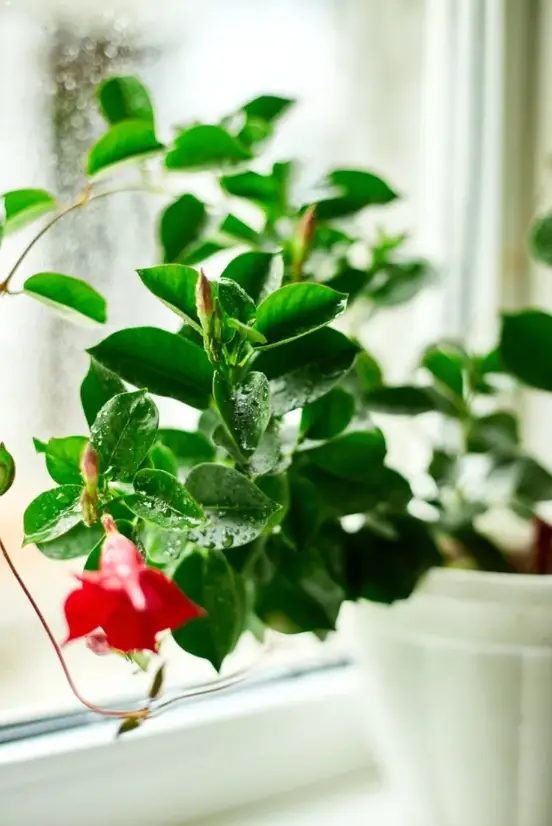
- Fear of Frost: Dipladenia is extremely sensitive to frost. Exposure to freezing temperatures can cause irreversible damage to the plant. If your Dipladenia has been exposed to frost, assess the damage by checking for brown, dried-out leaves and stems. Trim away any damaged parts and maintain slightly moist soil to encourage recovery.
- Temperature Tolerance: As a tropical plant, Dipladenia thrives in warm conditions and can’t tolerate temperatures below 9-10°C. If outdoor temperatures drop, bring your Dipladenia indoors to a bright, heated room with temperatures between 15°C and 20°C. Ensure the environment is humid, as Dipladenia enjoys moisture.
- Winter Placement: When transitioning your Dipladenia indoors for winter, place it in a well-lit area away from direct sunlight. Ideal locations include a winter garden, veranda, or any room with ample natural light. Regularly mist the foliage to maintain humidity levels.
- Timing for Outdoor Placement: Wait until mid-May to safely return your Dipladenia outdoors, ensuring the risk of late frosts has passed. Avoid sudden temperature changes, gradually acclimating the plant to outdoor conditions. Provide post-winter care by pruning the stems, mulching around the base, and fertilizing as needed.
- Winter Care Tips: Here are some additional tips to help your Dipladenia thrive during winter:
- Treat for pests like aphids and spider mites, which may become problematic indoors.
- Choose a bright, heated location indoors, maintaining temperatures between 15°C and 20°C.
- Reduce watering frequency during winter to prevent waterlogged soil.
- Avoid premature outdoor placement until temperatures consistently remain above 10°C.
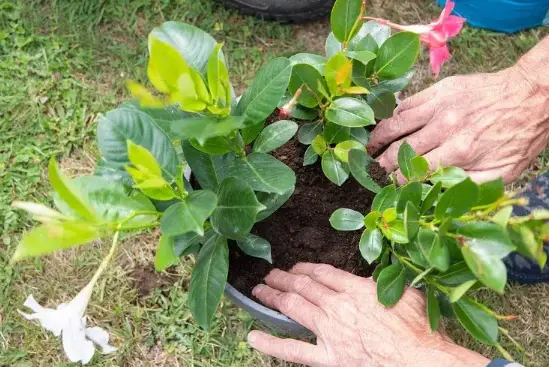
By following these guidelines, you can ensure your Dipladenia survives the winter months and continues to bloom beautifully when warmer weather returns.
Show Comments