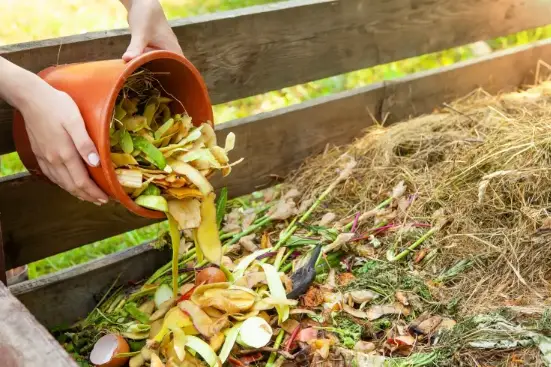
Composting at home is an effective way to reduce methane emissions and combat global warming. With the mandatory composting law in place since January 1, 2024, more and more people are getting involved in this eco-friendly practice. Not only does it help the environment, but it also provides you with rich, nutrient-dense compost for your garden. However, knowing when and how to empty the composter and maintain it properly is key to avoiding common issues such as bad odors and unwanted pests. Here’s everything you need to know to ensure your composting efforts are a success.
1. When to Empty the Composter?
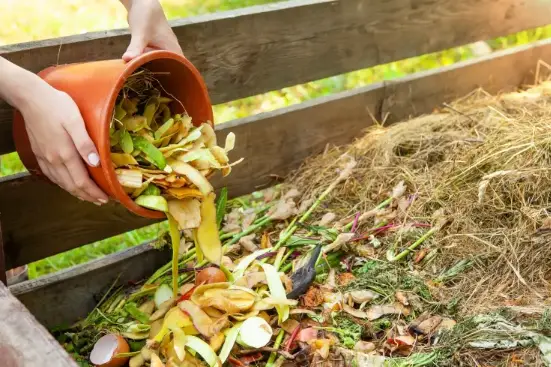
There isn’t a one-size-fits-all answer to when you should empty your composter, as it depends on several factors. For example, a small kitchen composter will need to be emptied frequently—perhaps when it’s full or every few days—to prevent unpleasant smells. On the other hand, large garden composters can be emptied less frequently, typically every two weeks to several months, depending on the quantity of waste and environmental conditions.
2. How Do You Know If the Compost Is Ready?
If you’re using a larger garden composter and can wait for the material to fully decompose, recognizing when it’s ready will save you time and effort. Here’s how to tell if your compost is ready for use:
- Color: The compost should be a rich brown color.
- Texture: It should have an earthy, crumbly texture.
However, if the compost is still:
- Hot to the touch,
- Contains large chunks of material, or
- Shows visible pieces of food,
This indicates that the compost is still decomposing, and you should wait a few more weeks before emptying it.
3. How to Empty Your Compost Bin?
Emptying your composter correctly is essential for maintaining a healthy composting process. If you discover that the compost at the bottom of your bin is ready while the top layer is not, follow these steps to separate the decomposed material:
- Remove the lid of the bin and tilt it slightly to loosen the material.
- Lift the tray or stack to reveal the bottom layers.
- Separate the layers: Take out the ready compost and place the still-decomposing material back in the bin.
- Replace the bin: Turn the remaining material over to promote further decomposition.
By properly separating the layers, you ensure that only fully decomposed material is used in your garden, while the remaining waste continues to break down.
4. How to Maintain and Clean Your Compost Bin?

Proper maintenance of your compost bin is crucial for preventing bad smells, insects, and rodents. Here are some tips for effective compost bin maintenance:
- Small bins: Empty your bin every week to avoid odors.
- Layering: Place a sheet of paper or dry leaves at the bottom of the bin to prevent waste from sinking and creating odors.
- Wrap smelly waste: For waste that might produce bad odors or stain, wrap it in compostable bags or paper before adding it to the bin.
- Location: Place your compost bin in the shade to avoid exposure to direct sunlight, which can cause overheating and unpleasant smells.
- Cleaning: After emptying the bin, clean it with soapy water or vinegar to remove any residue and keep it fresh.
5. Preventing Pests and Odors
To keep your compost bin free from pests like insects and rodents, and to avoid unpleasant smells, follow these steps:
- Ensure that food scraps are always covered and kept dry before placing them in the compost.
- Regularly turn the compost to aerate it and prevent anaerobic conditions that lead to bad smells.
- Use compostable bags for any wet waste that might cause odors.
6. Regular Monitoring
Finally, keep an eye on your composting process. Ensure that you rotate the compost regularly and monitor the moisture levels. Too much moisture can lead to unpleasant odors, while too little will slow down the decomposition process.
Conclusion
Composting is one of the best ways to reduce waste and contribute to a healthier planet. By knowing when to empty your composter and following the right maintenance techniques, you can ensure a smooth and effective composting process. With just a bit of care and attention, your compost will be ready to enrich your garden while helping the environment!