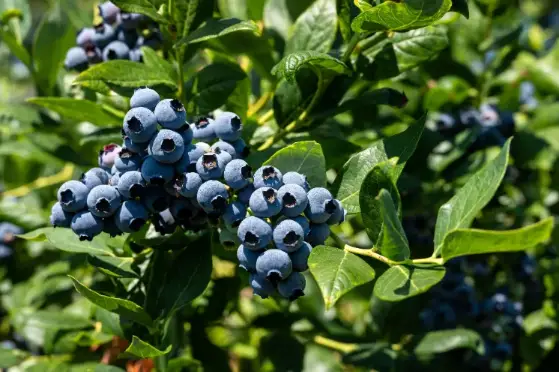
If you’re looking to grow your own blueberries at home, you’ve come to the right place! In this guide, we’ll cover everything you need to know about the blueberry plant, from choosing the right varieties to planting and maintaining them in your garden.
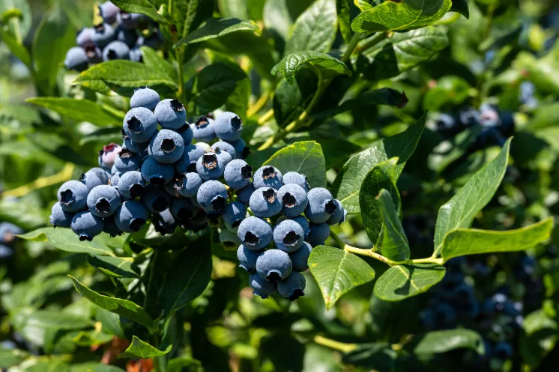
What Is a Blueberry Plant?
The blueberry is a small, shrubby fruit tree that grows in various parts of the world, including:
- North America
- Europe
- Asia
Native to these regions, blueberries (also called cranberries or bilberries) are widely consumed for their delicious taste and numerous health benefits. They’re a popular addition to a variety of foods, including:
- Fresh in smoothies or salads
- Jam and jelly
- Pies and other baked goods
- Syrup
Packed with antioxidants, vitamins B, C, and K, as well as tannins, blueberries are a nutritious addition to any diet and can even promote healthy intestinal transit.
What Are the Different Varieties of Blueberries?
Blueberry plants can grow up to 2 meters tall, with a variety of shapes depending on the type. Here are some of the most popular blueberry varieties you can find in gardens:
- Bluetta: An early variety that produces small fruits.
- Pink Lemonade: Known for its stunning pink-colored fruits.
- Top Hat: A compact variety that is self-fertile.
- Darrow: A late variety that produces fruit through mid-October.
- Blue Crop: The most widely cultivated variety, known for producing large fruits.
To ensure a successful harvest, we recommend planting at least two different varieties. This encourages pollination and enhances the yield of your plants.
Where to Plant a Blueberry Plant?
When it comes to planting your blueberry bush, it’s essential to choose the right location and soil conditions. Here are some tips:
- Sunlight: Blueberry bushes thrive in partial shade in the South but can tolerate full sun in the North.
- Soil: Blueberries require acidic soil with a pH level between 4 and 5. If your soil is not naturally acidic, you can plant your blueberries in heather soil.
- Spacing: When planting in your garden, space each plant about 1.5 meters apart to allow for proper growth.
- Time: The best times to plant are either in spring or autumn. If you take cuttings in June, it’s ideal to plant them in autumn.
- Containers: You can also grow blueberries in pots, especially if you choose self-fertile varieties. For container planting, make sure to:
- Line the bottom with a draining layer.
- Use a mixture of potting soil and heather for the base.
How to Maintain Blueberry Plants
Blueberry bushes are relatively low-maintenance but require some care to thrive:
- Heat Protection: Blueberries don’t do well in high heat. To keep the soil moist and cool, apply a mulch felt around the plants. This will also help reduce weed growth.
- Protection from Pests: Watch out for natural predators like caterpillars. Additionally, to protect your berries from birds, use an anti-bird net.
Conclusion
By following these simple steps, you can successfully grow blueberries in your garden or on your balcony. With the right location, soil, and a bit of care, your blueberry plants will reward you with delicious fruit season after season. Enjoy the process, and soon you’ll be harvesting fresh, nutritious berries from your very own backyard!