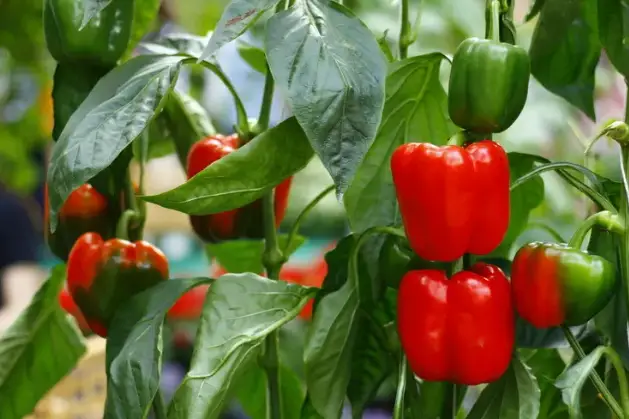
There’s nothing more satisfying than harvesting your own fruits and vegetables, especially peppers in the summer, perfect for crisp salads and delicious dishes. However, if you notice your pepper plants’ leaves falling off, it’s a sign that something is amiss. Understanding the causes of leaf drop is crucial for quick intervention.
Key Points:
- Various problems can lead to pepper leaf drop.
- Watering is essential for plant health.
- A lack of nutrients can cause foliage loss.
- Pests may damage the leaves.
- Bacterial diseases and infections need to be prevented or treated.
Why Do Pepper Leaves Fall Off? What Can Be Done?
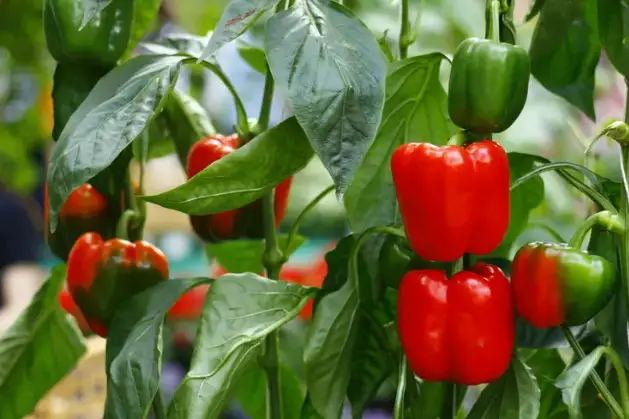
Healthy pepper plants showcase vibrant green foliage. If you observe signs like curling, yellowing, or spots on the leaves, it’s time to act swiftly. Here are the common causes of pepper leaf loss:
1. Improper Watering

Watering is critical for pepper health. Both underwatering and overwatering can lead to leaf loss.
How to Water Peppers:
- Water mature plants twice a week.
- In hot weather, avoid overwatering to prevent root rot.
- Some leaf drop is normal during extreme heat, but if leaves are yellowing, your plants may need more water.
2. Lack of Nutrients
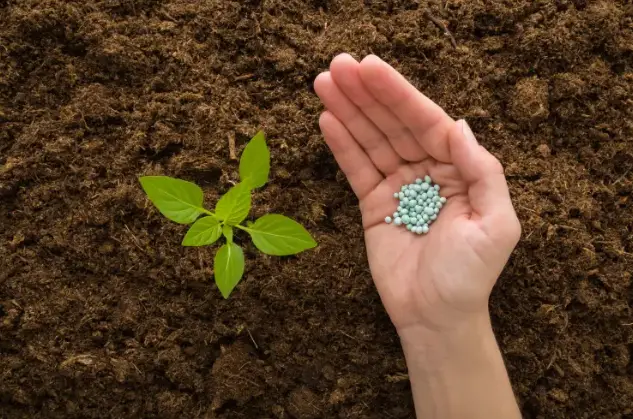
Fertilization plays a vital role in nourishing pepper plants. They are particularly susceptible to nitrogen deficiency, which leads to yellowing and dropping leaves.
How to Fertilize Peppers:
- Young plants require ample nitrogen for healthy roots and foliage.
- As fruiting begins, reduce nitrogen and increase phosphorus and potassium.
- Always monitor for signs of deficiency and adjust your fertilization routine accordingly.
3. Pest Infestation
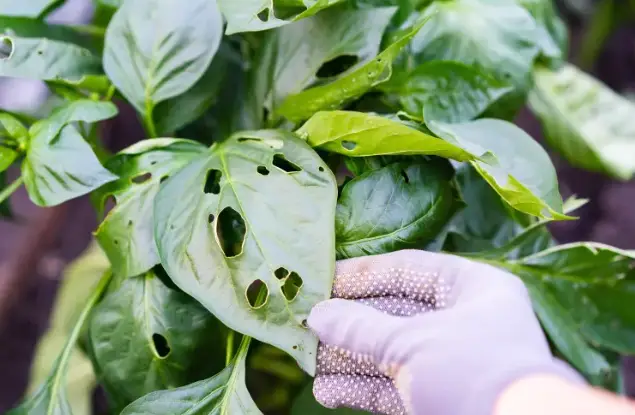
Leaf drop may also result from pest attacks. Peppers are vulnerable to various insects that can sap nutrients from the leaves and stems.
What to Do:
- Inspect your plants closely, especially the undersides of leaves.
- Remove pests manually or use a garden hose to spray them off.
- Employ homemade insecticides like neem oil, soapy water, or black soap.
- Consider planting companion plants like marigolds to deter pests.
4. Bacterial Diseases and Infections
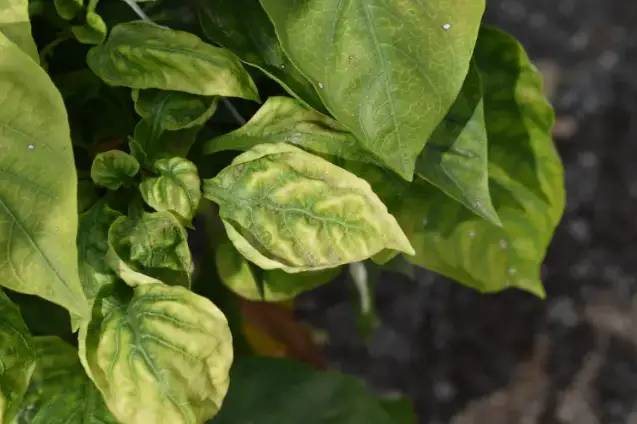
Diseases and infections can lead to leaf drop as well.
How to Identify and Treat:
- Examine fallen leaves for yellowing or curling, indicating a fungal issue.
- Brown or black spots suggest a bacterial problem.
- For prevention, space plants adequately and avoid wetting leaves when watering.
- Remove infected plants promptly to stop the spread.
By understanding these causes and applying the appropriate solutions, you can help your pepper plants thrive and enjoy a bountiful harvest!