Have you ever had midges in the kitchen? If so, you know how frustrating and difficult it can be to get rid of them! With composting becoming mandatory from January 1, 2024, more people are dealing with midges in their compost. So, is this normal? What can you do to get rid of flying insects and avoid them in the future?
Why Do I Have Lots of Midges in the Compost? Is This Normal?

Midges, often known as vinegar flies or fruit flies, are attracted to the rotting plant matter in compost piles. These tiny insects have red eyes and yellowish bodies, resembling small bees. While they live for about 50 days, a female can lay up to 2,000 eggs per day on a damp surface! Getting rid of them requires patience and consistent effort.
How to Avoid Flying Insects in Compost Piles
Although midges do not harm compost, it’s not pleasant to see them swarming around. Here’s what you can do to chase them away, eliminate them, and avoid them in the future:
1. Bury Your Composter Under the Ground
Burying your composter is one of the most effective ways to combat midges. This makes it impossible for them to enter. Once buried, cover the composter with a layer of soil and redo it each time you open it to keep the flying insects out.
2. Improve Pile Ratios to Control Gnats in Compost

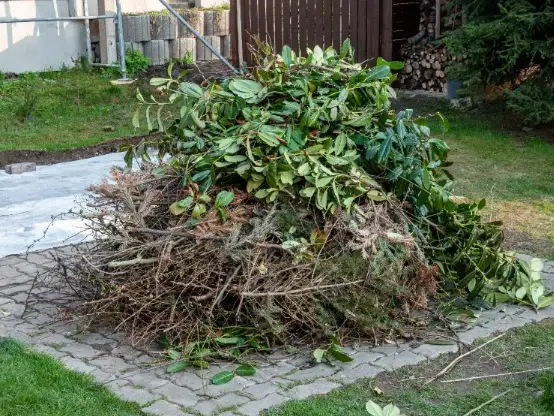
Fruits, vegetables, and other green matter attract insects to your compost. To prevent this, mix in more brown matter, such as dead leaves or tree branches, to make it harder for insects to access the green matter. This also aids in proper decomposition. Remember to avoid certain foods that should not be composted!
3. Keep Your Compost Bin Tightly Closed
A tightly closed compost bin helps maintain the right moisture levels, which can deter insects. Choose a bin with a secure lid and avoid leaving it open for more than a few seconds. For better air circulation inside, you can make small holes in the lid.
Tip: If your bin is already secure but midges persist, try removing the lid. Insects trapped inside find the perfect environment for their eggs.
4. Constantly Turn the Pile
Turning your compost pile regularly encourages aeration and heating, which aids decomposition. Once the matter decomposes, it becomes less attractive to insects, reducing the presence of midges in your compost.
5. Use Midge Traps
Using traps is one of the most effective ways to eliminate midges. For a simple trap, use apple cider vinegar, which these insects love. Mix a small amount of vinegar with liquid soap in a container. Midges will be attracted to the vinegar and get trapped in the mixture, unable to escape.
Tip: Combine this method with the other strategies mentioned above to effectively eliminate the source of the problem!
By following these tips, you can keep midges out of your compost and maintain a clean, efficient composting system.