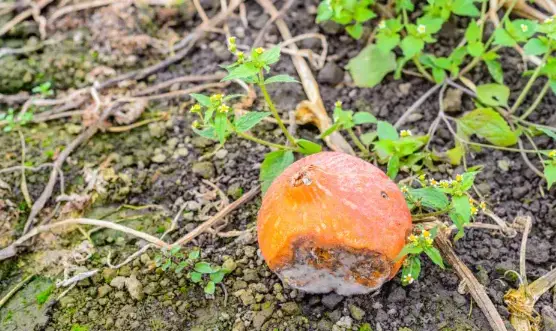
Watching your long-awaited pumpkin harvest rot before it reaches full maturity can be devastating. Despite your best efforts in caring for them, you might notice a black spot followed by softening on the fruit. So, why do pumpkins rot on the plant? Understanding the causes of this issue and applying the right solutions can save your next harvest. Let’s explore the common causes and the best ways to combat this problem.

Why Do Pumpkins Rot on the Plant?
Several factors can contribute to pumpkin rot. The most common causes include:
- Excess Moisture: Rainy weather or soggy soil can encourage the growth of mold and fungi around the fruit, leading to rot. Waterlogged soil can cause the fruit to wilt and decay. Tip: Raise pumpkins off the ground using appropriate supports to avoid direct contact with wet soil.
- Poor Pollination: If pumpkin flowers aren’t well-pollinated, the resulting fruit may develop imperfectly, making it more vulnerable to rot.
- Drainage Problems: Poor drainage around the roots can create a humid environment conducive to fungal diseases.
- Nutritional Deficiencies: A lack of calcium can result in blossom end rot, a condition that causes the bottom of the pumpkin to blacken and soften.
- Root Diseases: Fungal diseases like Phytophthora and Fusarium can attack the roots, weakening the plant and causing rot.
How to Treat Pumpkin Rot That Is Already Present?
If you notice signs of rot on your pumpkins, it’s important to act fast. Here’s what you can do:
- Remove Rotting Fruit: Cut out and discard any rotting pumpkins to prevent the spread of disease.
- Use Organic Fungicide: Apply an organic fungicide containing copper or sulfur to protect healthy pumpkins from fungal infections.
- Regular Inspections: Inspect your pumpkins regularly to catch any new signs of rot early and prevent it from spreading.
How to Prevent Pumpkin Rot on the Plant?
Prevention is key when it comes to keeping pumpkins healthy. Here are some tips to reduce the risk of rot:
- Watering: Water your pumpkins adequately, but avoid soggy soil. Water early in the day to allow the leaves to dry quickly.
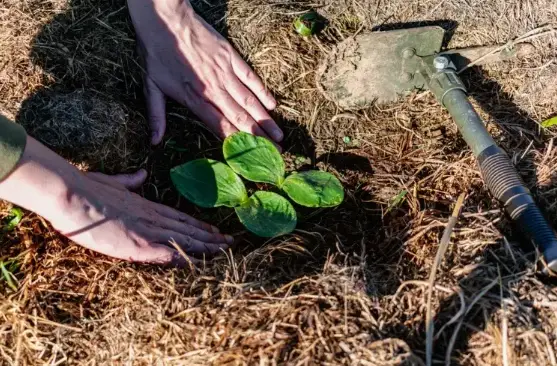
- Mulching: Apply a layer of mulch under the pumpkins to prevent direct contact with damp soil, reducing the chances of rot.
- Improve Air Circulation: Trim lower leaves to allow better airflow around the plant, reducing stagnant moisture that encourages rot.
- Calcium Supplements: Add dolomitic lime or calcium sulfate to balance the soil’s pH and reduce the risk of blossom end rot.
What to Do to Combat Rot Diseases in Pumpkins and Squash?
Here are additional steps to help combat rot diseases in pumpkins and squash:
- Crop Rotation: Avoid planting pumpkins or squash in the same spot each year. Crop rotation helps prevent the buildup of pathogens in the soil.
- Choose Resistant Varieties: Opt for pumpkin varieties that are naturally resistant to fungal diseases like mildew, powdery mildew, and black rot.
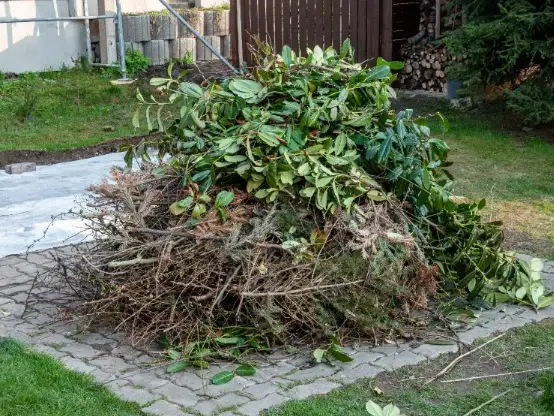
- Clean Up Plant Debris: Regularly remove dead leaves and plant material around your pumpkins to reduce the risk of fungal infections.
- Watering Method: Use ground irrigation instead of sprinklers to keep the leaves and fruit dry, minimizing the spread of fungal spores.
Which Pumpkin Varieties Are More Resistant to Fungal Diseases?

Certain pumpkin varieties are bred to be more resistant to common fungal diseases. Consider planting these varieties to increase your chances of a healthy, disease-free harvest:
- The Bright Red Pumpkin from Etampes
- The Musk Pumpkin of Provence
- Butternut Squash
- Buttercup Squash
- The Crown Prince Pumpkin
- Sweet Dumpling Squash
- Delicata Squash
- Pumpkin Marina di Chioggia
- Tuffy Squash
Conclusion
Understanding the causes of pumpkin rot and taking proactive steps can significantly improve your chances of a successful harvest. By maintaining proper watering practices, using organic treatments, and choosing the right varieties, you can combat rot diseases and enjoy a bountiful pumpkin harvest. Have you dealt with pumpkin rot in your garden? Share your experiences and tips with us!