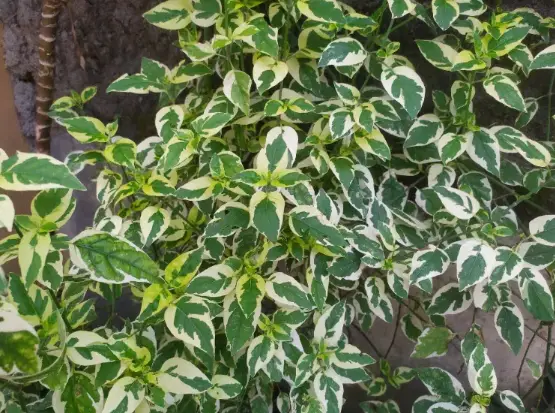
In recent years, cherry trees have faced a troubling decline in lifespan. The early signs include smaller leaves, color changes, premature leaf drop, and curling or drying of foliage. As the problem progresses, bark damage and resin formation may occur. But what’s behind this widespread issue? Let’s explore the causes of cherry tree decline and what you can do to prevent it.
Why Does the Cherry Tree Dry Up?
Cherry trees, cherished for their fruit, can suffer from a variety of issues leading to premature drying. My own experience with a cherry tree that gradually withered despite our best efforts highlights this global concern. Even if your tree appears healthy, understanding these causes can help you ensure its longevity.
Cherry Tree Diseases
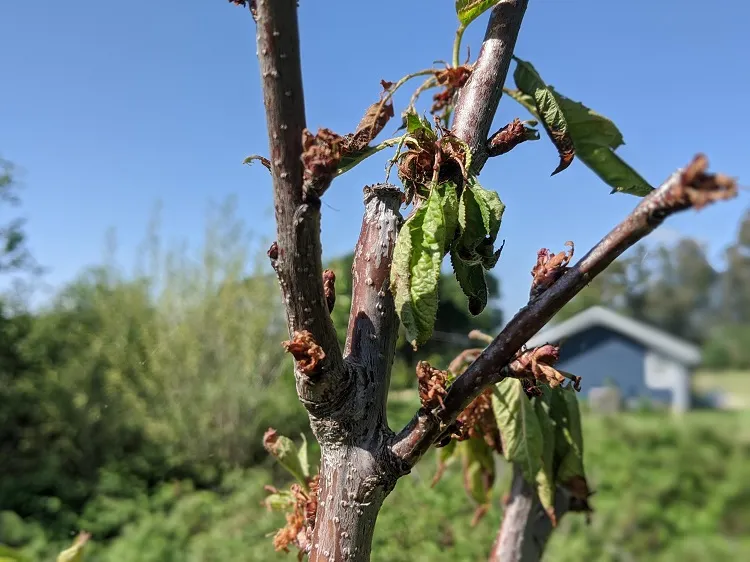
Several diseases can contribute to the decline of cherry trees:
- Bacterial Canker: Characterized by dark, shiny lesions on the trunk and bark, this condition can cause wounds that exude resin. It primarily affects trees in autumn and peaks in spring. Avoid pruning during these periods if signs of infection are present. Prune after harvest to remove affected branches and seal wounds with a fungicide-enhanced paint.
- Neck Tumor: This disease affects the roots, obstructing nutrient transfer and causing the tree to dry out. Ensure the soil pH remains between 5.5 and 6.0 to prevent this issue.
- Phytophthora Rot: This disease causes cankerous lesions at the root collar, with tissues appearing watery and orange-red. To prevent it, maintain good drainage and avoid overwatering. If present, replace the topsoil with clean, healthy soil.
- Verticillium Wilt: This fungal infection causes browning of the wood. It is challenging to treat, so avoid overwatering. If infected, apply fungicide and consider soil solarization for disinfection.
Soil and Compost Quality
Young cherry trees require ample water for the first 2-3 years to establish roots. However, overwatering can lead to oxygen deprivation in the soil, causing the tree to dry out. Conduct a soil test to ensure pH levels are between 6.0 and 7.0 for optimal growth.
Acid Rain
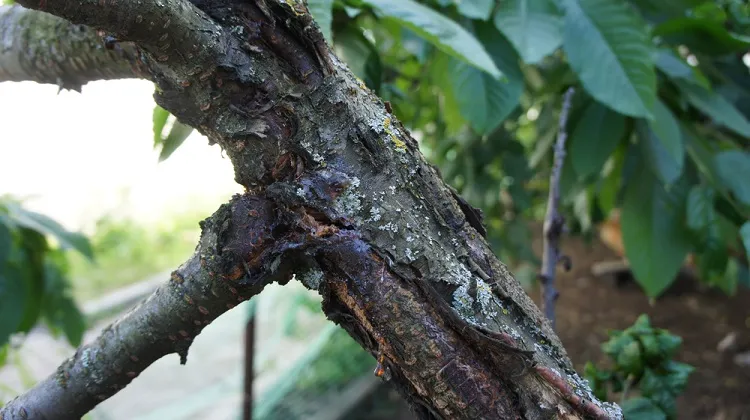
Acid rain is another significant issue impacting cherry trees. It reduces soil nutrients and damages the tree’s outer bark, leading to further nutrient loss. To protect your tree from acid rain:
- Install Protective Structures: Use tarps or shelters to shield the tree.
- Adjust Soil pH: Apply lime or wood ash to counteract the effects of acid rain.
- Enhance Soil Health: Use balanced fertilizers and practice crop rotation to strengthen tree resilience.
Cherry trees typically have a lifespan of around 25 years, so regular care and monitoring of their environment are crucial. By addressing these common problems, you can help ensure your cherry tree remains healthy and productive for years to come.