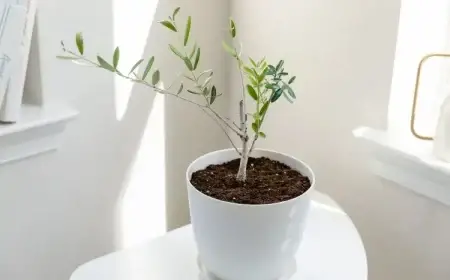
If your potted olive tree is losing its leaves, there are several potential causes. Understanding these can help you take the necessary steps to rejuvenate your tree. Here are the common reasons and solutions for leaf loss in olive trees.
1. Watering Issues
- Overwatering: Olive trees are drought-tolerant and do not like sitting in water. Overwatering can lead to root rot, causing the tree to lose leaves.
- Underwatering: Conversely, too little water can stress the tree, leading to leaf drop.
Solution:
- Check Soil Moisture: Ensure the soil is well-draining and check the moisture level regularly. Allow the top inch of soil to dry out before watering again.
- Watering Schedule: Water deeply but infrequently. Ensure excess water can drain away.
2. Insufficient Light
Olive trees need plenty of sunlight to thrive. Insufficient light can cause leaves to drop.
Solution:
- Light Exposure: Place your olive tree in a location where it receives at least 6-8 hours of direct sunlight per day. If indoors, a south-facing window is ideal.
- Supplemental Lighting: If natural light is inadequate, consider using grow lights to provide the necessary light.
3. Nutrient Deficiency
A lack of essential nutrients can lead to poor health and leaf loss.
Solution:
- Fertilization: Feed your olive tree with a balanced fertilizer every few months. A slow-release fertilizer with a ratio like 10-10-10 (N-P-K) is suitable.
- Soil Quality: Ensure the soil has good organic matter. You can add compost or a balanced liquid fertilizer during the growing season.
4. Temperature Extremes
Olive trees prefer mild, Mediterranean climates. Extreme temperatures can cause stress and leaf drop.
Solution:
- Temperature Control: Protect your olive tree from extreme cold and heat. If temperatures drop below 40°F (5°C), bring the tree indoors or provide protection.
- Indoor Environment: Avoid placing the tree near drafts, radiators, or air conditioners.
5. Pests and Diseases
Pests like scale insects and diseases such as root rot or fungal infections can lead to leaf loss.
Solution:
- Regular Inspection: Check your olive tree regularly for signs of pests or diseases. Look for discolored leaves, sticky residue, or visible insects.
- Pest Control: Use insecticidal soap or neem oil to treat pests. For diseases, ensure proper watering and use fungicides if necessary.
How to Reboost Your Olive Tree
1. Repotting:
- Pot Size: Ensure the pot is not too small for the tree. A larger pot allows for better root growth and stability.
- Soil Mix: Use a well-draining soil mix specifically designed for Mediterranean plants or mix regular potting soil with sand and perlite.
2. Pruning:
- Remove Dead Branches: Trim away any dead or diseased branches to encourage new growth.
- Shape the Tree: Prune to maintain an open canopy, allowing light and air to reach all parts of the tree.
3. Humidity and Air Circulation:
- Humidity: Olive trees prefer moderate humidity. If indoors, avoid overly dry air.
- Air Circulation: Ensure good air circulation around the tree, especially if it is kept indoors.
Summary
To revive a potted olive tree losing its leaves, address the primary causes like watering issues, insufficient light, nutrient deficiency, temperature extremes, and pests or diseases. By improving care practices, repotting, pruning, and ensuring optimal growing conditions, you can rejuvenate your olive tree and encourage healthy growth.